Exhibition in Textual Form: Pina Magazine, Issue #2, London
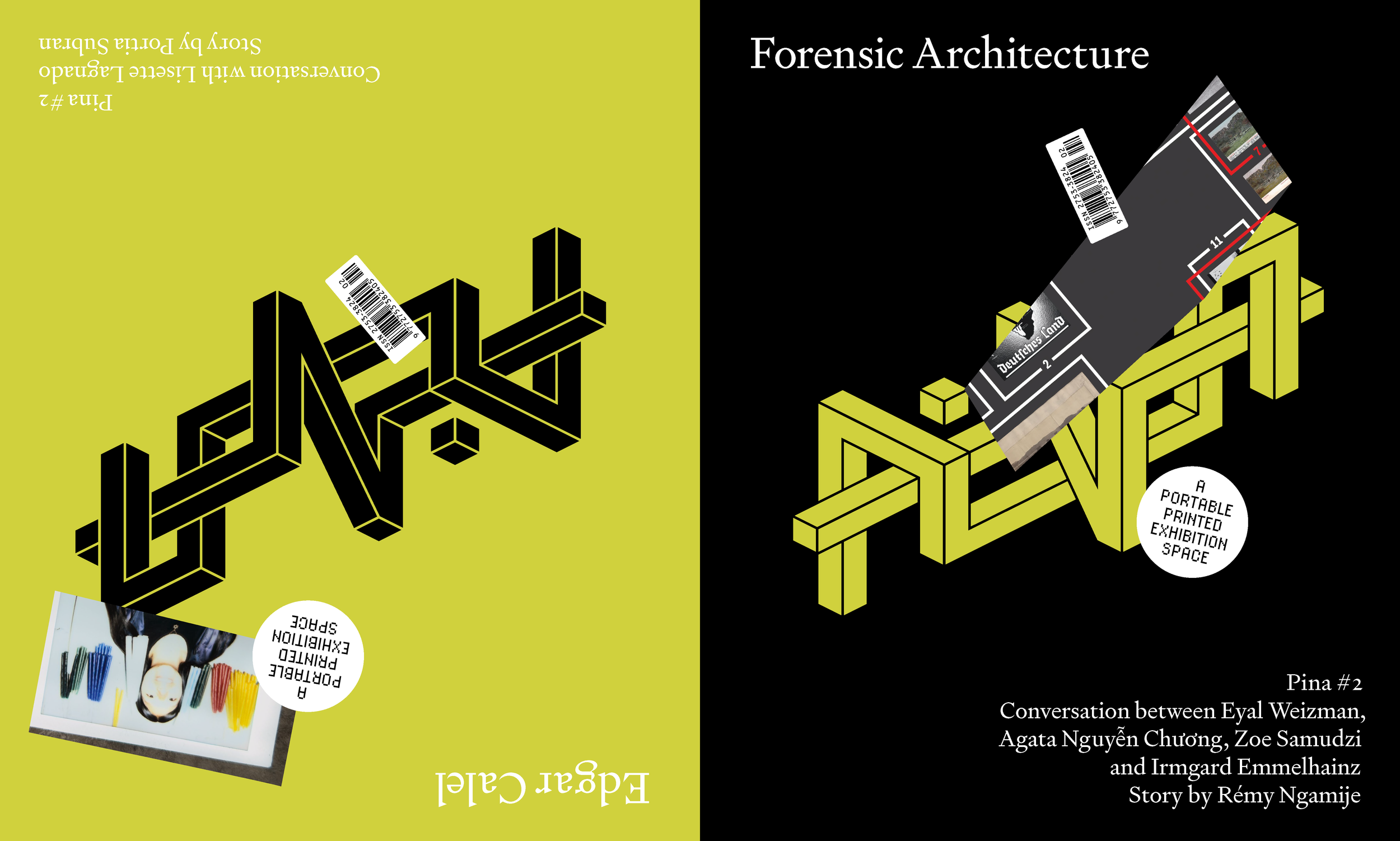
Pina Issue #2
Author: Nina Chkareuli
Pina is a new, conceptual, London-based magazine providing an experimental exhibition space for contemporary artists and writers. Just as white gallery or museum walls have the potential to become a part of any period show, white pages imprinted by artistic engagement can conjure up palimpsests of meanings and symbols, while focusing on just two artists at a time. Founded by London-based Catalina Imizcoz, a visionary researcher and curator with a post-modernist approach to collaborations and exhibitions, Pina looks at what in-depth dual project-based shows could look like in print.
One important difference is that readers can take real time to absorb it all; put the well-printed pages aside and then return to them at their own pace. While many distinguished art publications give us full-page spreads of non-linear worlds as envisioned by individual talents and brains, this magazine is already preconceived as a thoughtful conversation between carefully selected visions of two artists and their audiences.
This concept of recreating an exhibition on a page has always intrigued me when creating a checklist or a proposal for a hypothetical show. I always think of the white Word file as white walls, so it was a welcome surprise to see this idea conceptualized earlier this year with the first printed issue of the magazine. One potential critique is whether this format could extend beyond readers already initiated into contemporary art discourses. We all lament the isolation of the art world from the real world; maybe we could find ways to bridge the divide. On the other hand, Pina does provide two separate and curated bodies of work that could be of potential interest as a resource in public schools when discussing astronomy, genocide, archives, the nature of dreams, or even geography.
The magazine takes its name from pinax—a flat, painted board or tablet—and from the root of pinacoteca, meaning a place for images. Each commission unfolds across 60 pages, giving artists ample room to build immersive worlds that readers can navigate much like a physical exhibition. Every issue couples these print-based exhibitions with original short stories, inviting two writers to respond to the exhibition designs through fiction. Positioned between literary and contemporary art publishing, Pina creates a close experience of exhibition viewing when we see the art objects or conceptual approaches, while also being able to hear about them directly from the artists through interviews included in the issue.
The all-female magazine team is made up of researcher Catalina Imizcoz (Founder and Editor), poet and radio host Bitsy Knox (Deputy Editor), and cultural producer Lucila de Arizmendi (Producer).
The first issue focused on two exhibitions examining the relationship between objects and the institutions containing them. Porras-Kim conceived Conditions for recognising a living stone, a legally precise case that defended the rights of a spirit residing within a statue held by the British Museum. Asad Raza’s work involved creating encounters both within and beyond the exhibition space, approaching art as a metabolic and active process. For Pina, Raza conceived Array, which traced the path of radiation from sources across the universe to the trees used to make the magazine’s paper, and from there, reflected into the reader’s eye.
For the second issue, the selection of the exhibitions is very different. Forensic Architecture presents A Counter-Archive of the Ovaherero and Nama Genocide, a rigorous investigation into the genocide carried out by German colonial authorities in the early twentieth century in what is now Namibia. Based on extensive archival research and spatial analysis, the exhibition unfolds in three sections, examining the ideological foundations of racialised imperialism, the architecture of the concentration camp, and the enduring legacy of colonial violence through ongoing environmental damage and the dispossession of Indigenous communities. These themes are taken further in a dialogue featuring Eyal Weizman, Agata Nguyen Chuong, Irmgard Emmelhainz, and Zoé Samudzi. The exhibition is accompanied by a newly commissioned short story, Breaking Even, by Rwandan-born, Namibia-based writer Rémy Ngamije, founder of Doek!, an independent Namibian organisation dedicated to supporting the literary arts. Centered on a quiet, intimate exchange between a father and his son, the story reflects on how a life is shaped not only by history but even more by the uncertainty of what lies ahead.
Edgar Calel’s Dreams and memories dazzle through the flickering of fireflies explores dreams, memory, and daily life within his multigenerational family home in Comalapa, Guatemala. Each morning, family members share their dreams as both a practical and poetic way of sensing the day’s energy ahead. From these exchanges emerge concrete plans and everyday reminders—what work must be done, which dishes should be prepared—forming a ritual so embedded in family life that, even when separated, they continue to recount their dreams through shared voice messages.
Calel preserves these visions by etching them into the smoke-darkened walls of the home, surfaces marked by years of hearth residue, turning fleeting experiences into a living archive. These drawings are translated onto the pages of Pina, woven together with Kaqchikel poetry, family Polaroids, and handwritten notes that trace the delicate textures shaping both the artist’s dreams and those of his family. As a record of the most fragile images, the exhibition invites viewers to “see” through touch, sensing the transience and force of dreams, poetry, and intimacy. The fragility of being human is at the center here.
A conversation between curator Lisette Lagnado and Calel links them to moments from the artist’s life and opens a cosmological perspective. The project is accompanied by a newly commissioned short story by Trinidadian writer Portia Subran. Her piece, A Gathering of Seeds, employs xenofiction to move across generations, encouraging reflection on dreams as vessels for the spiritual and physical nourishment essential to survival.
Pina provides a new avenue for deeper engagement with visual culture in our fast-paced lives. It would be so interesting to see it used in real-life contexts, for example, in education.
Nina Chkareuli is a New York-based writer and curator.
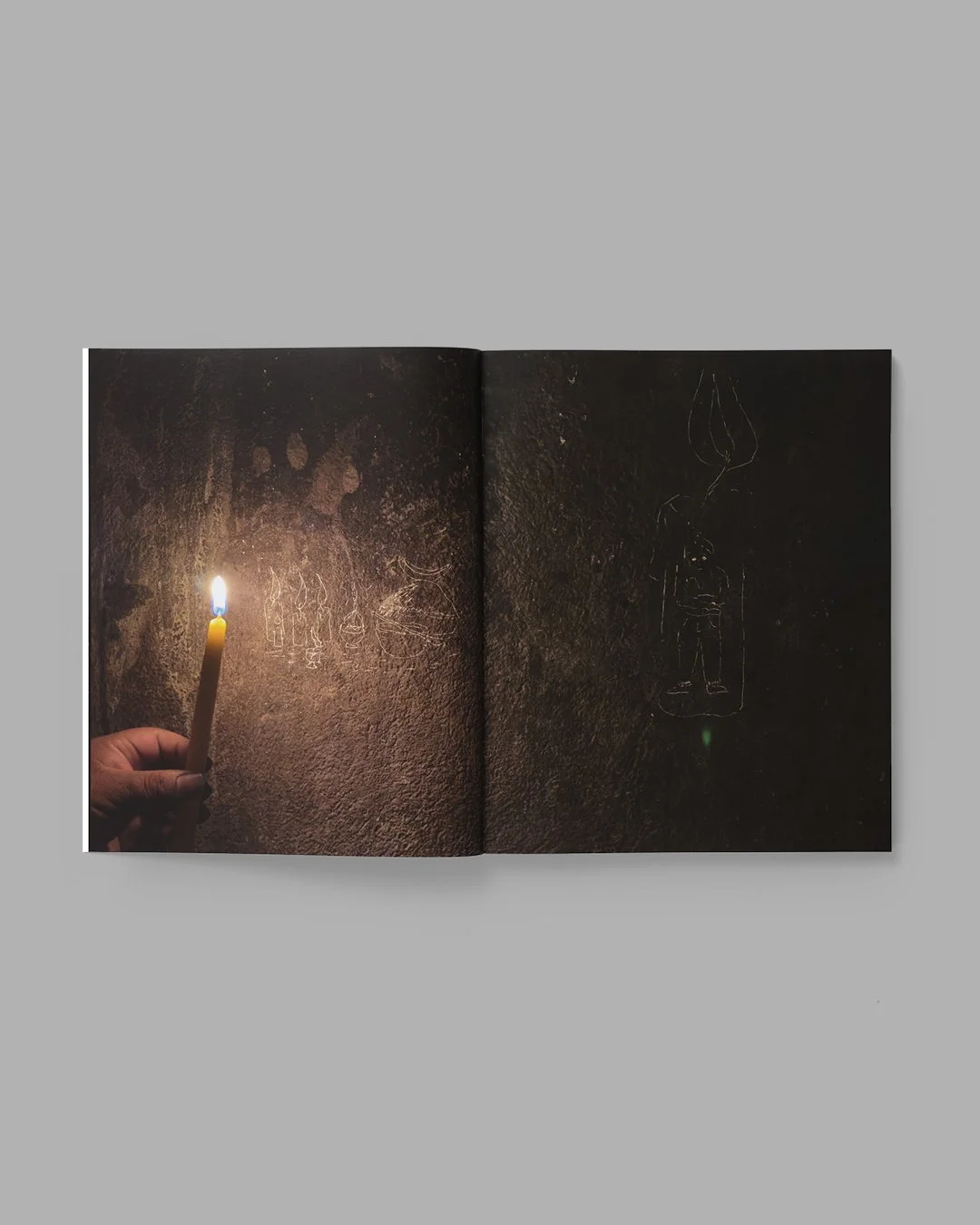
Pina Magazine, Issue #2, exhibition by Edgar Calel.
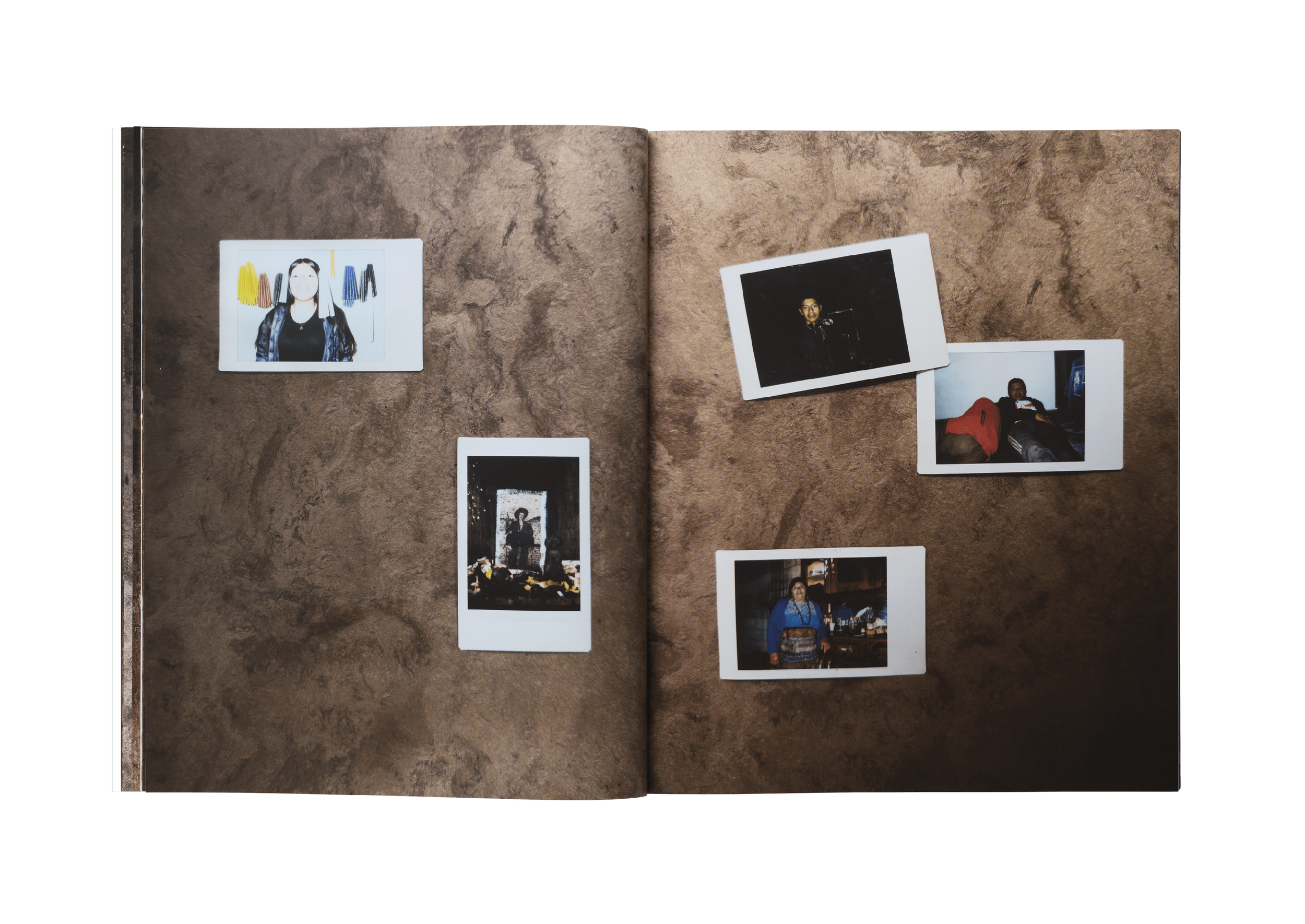
Pina Magazine, Issue #2, exhibition by Edgar Calel.
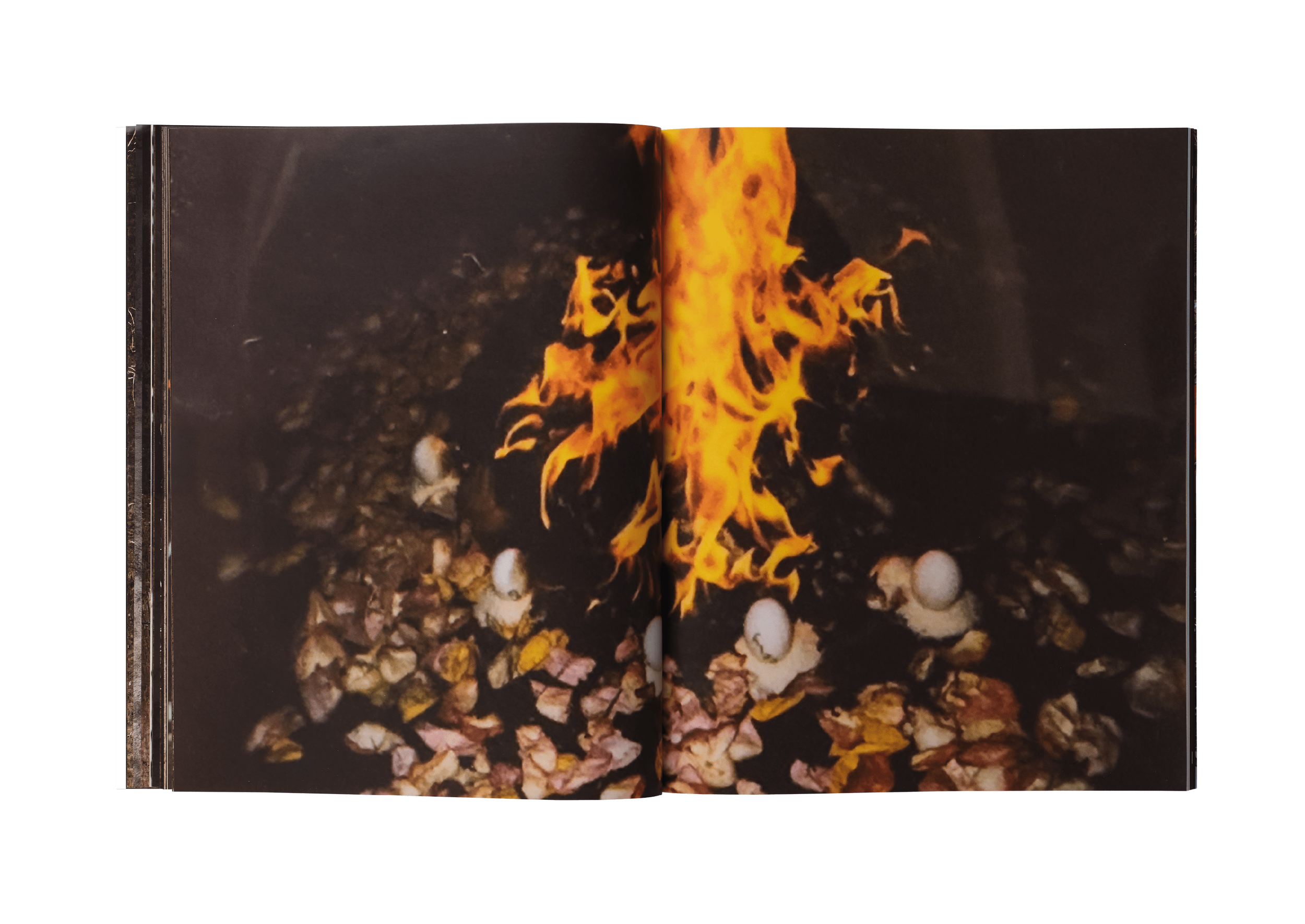
Pina Magazine, Issue #2, exhibition by Edgar Calel.
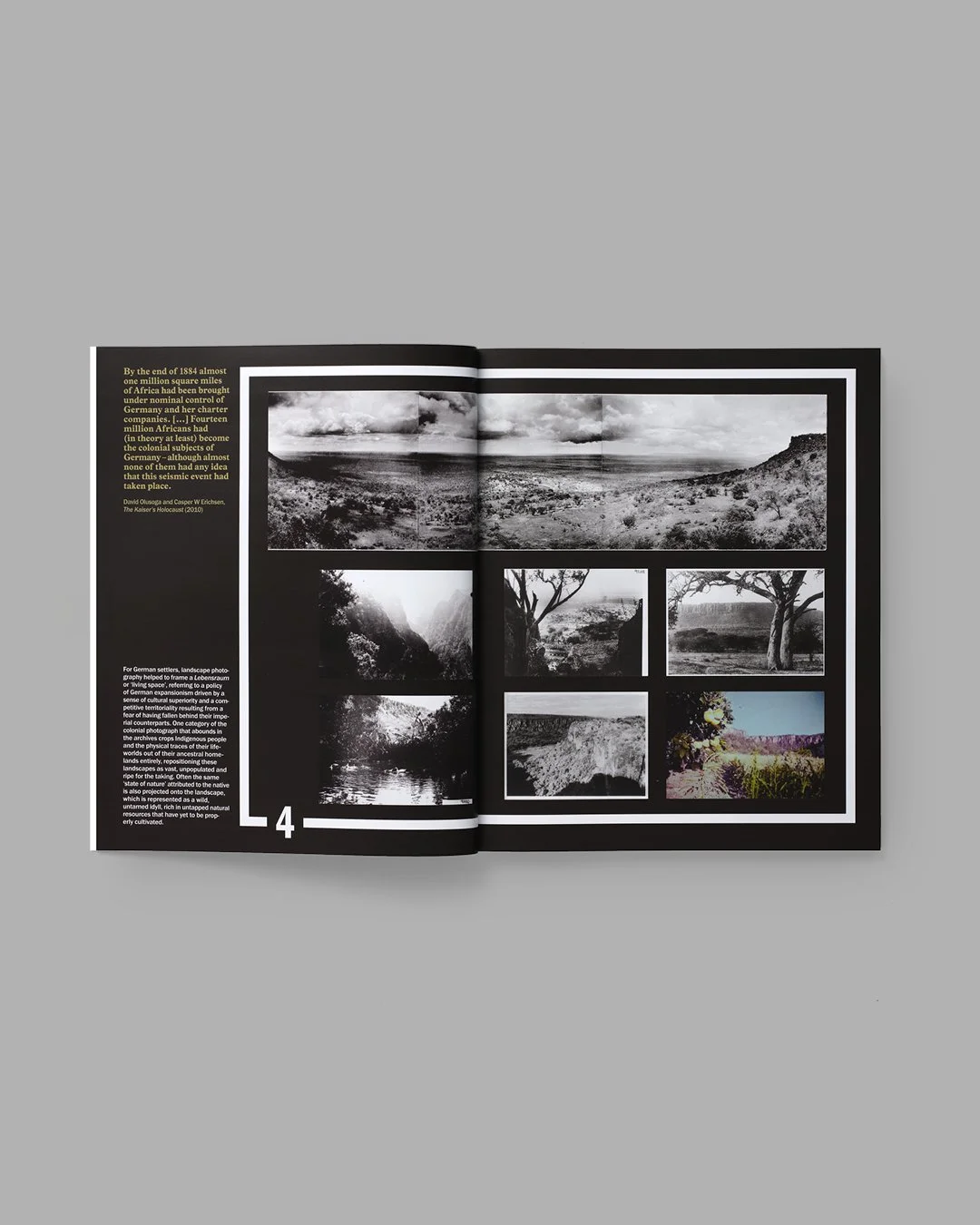
Pina Magazine, Issue #2, exhibition by Forensic Architecture.
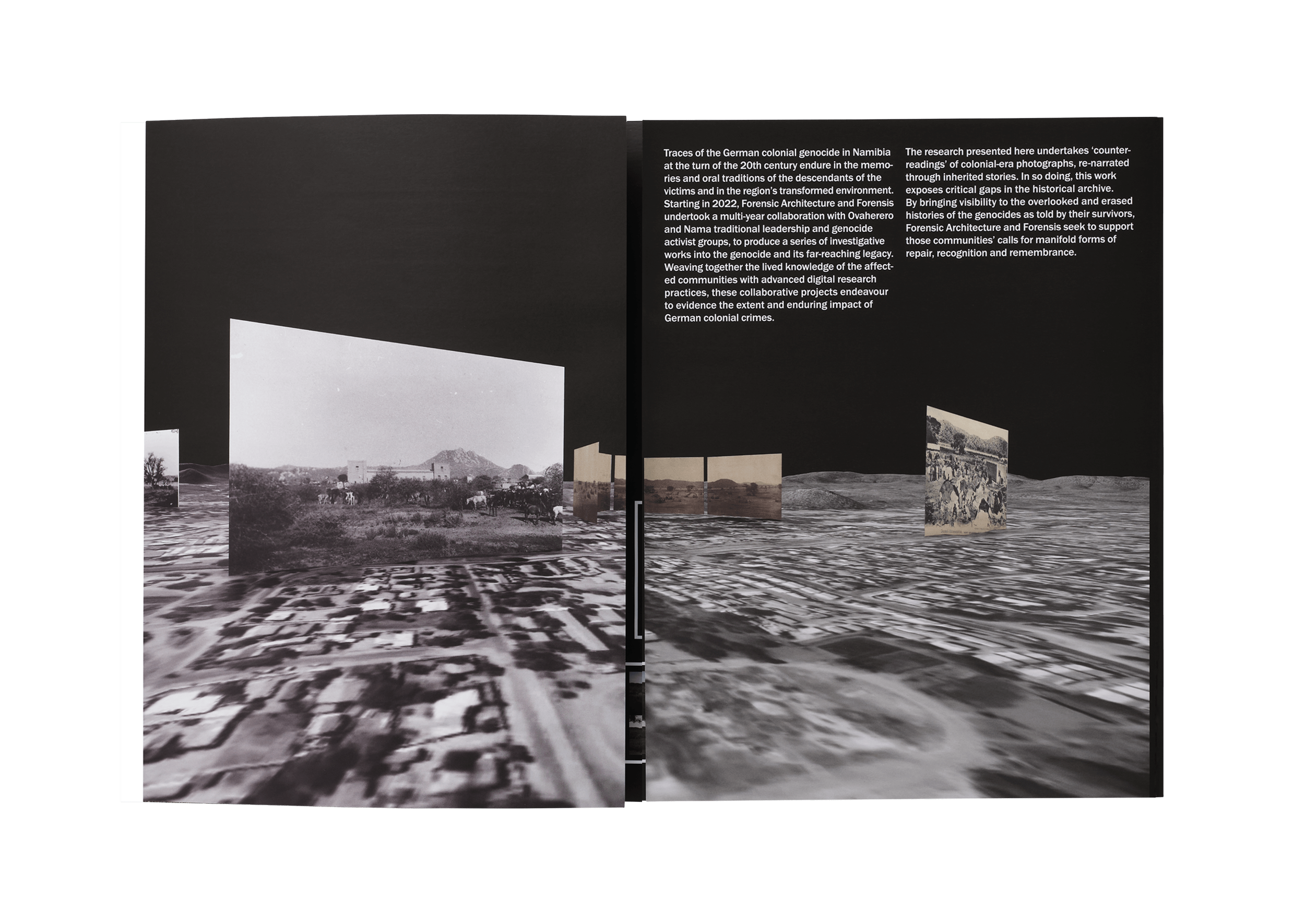
Pina Magazine, Issue #2, exhibition by Forensic Architecture.