Hot Coffee Conversation with historian and filmmaker Lilia Topouzova
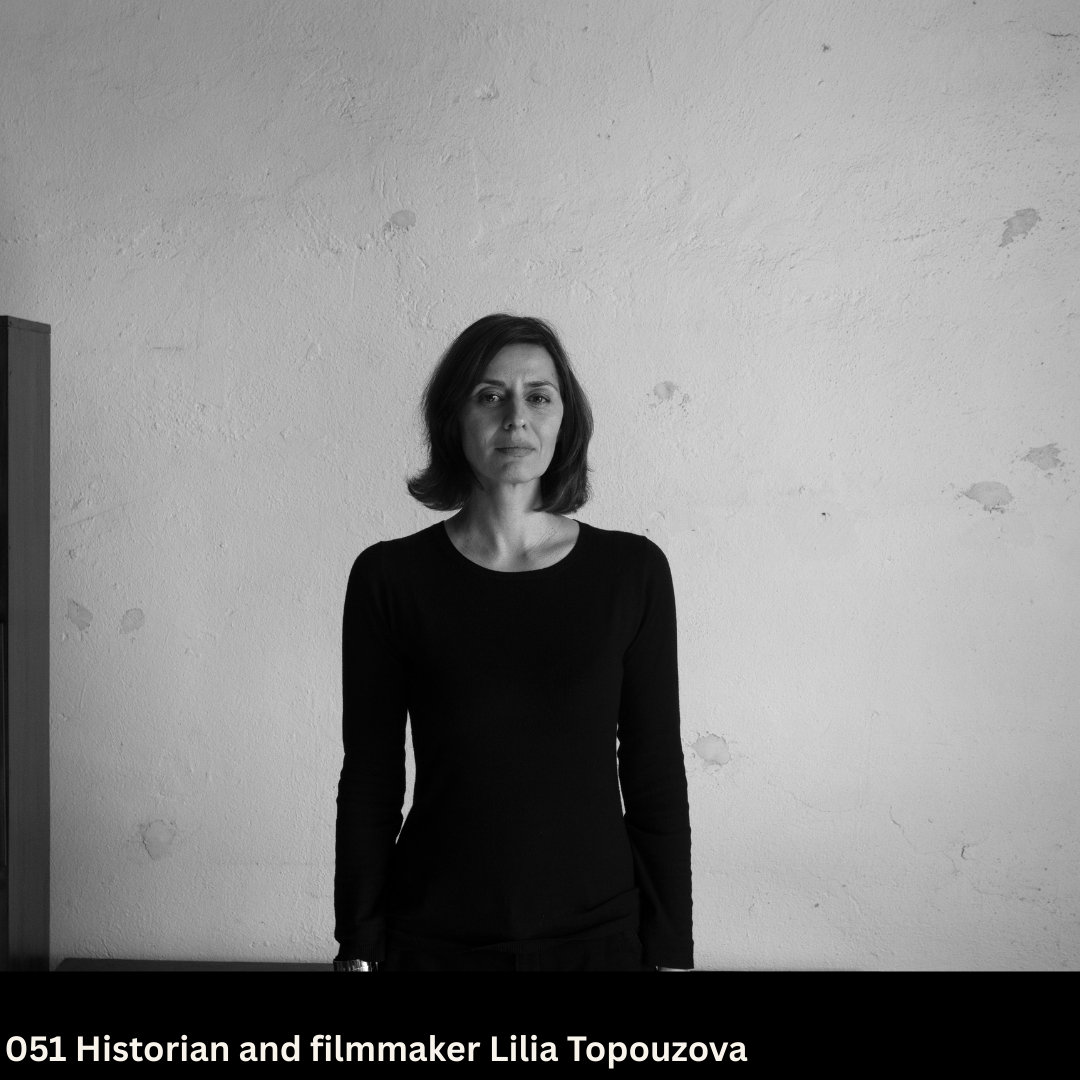
Published Thursday, February 12, 2026
Lilia Topouzova is an Associate Professor of History and Creative Nonfiction at the University of Toronto, whose work spans history, documentary filmmaking, and creative practice. Her research focuses on the intersections of political violence, trauma, silence, and public memory, frequently using archival materials and oral histories to examine difficult historical experiences in Eastern Europe. Topouzova has published extensively in leading journals and reference works and has co-written and co-directed award-winning documentary films, including The Mosquito Problem & Other Stories. She also co-created The Neighbours, the multimedia installation representing Bulgaria at the 60th Venice Biennale, which reconstructs survivors’ homes to give voice to previously silenced memories of state violence. Her book, Unsilencing: The History and Legacy of the Bulgarian Gulag, released by Cornell University Press in July 2025, presents the first comprehensive history of Bulgaria’s forced-labor camps — known as the country’s “Little Siberia” — that operated from 1945 to 1989, drawing on twenty years of archival research and oral histories to uncover stories of repression, survival, and the enduring impact of these camps on collective memory.
Nina Chkareuli: Imagine you are in your favorite coffee or tea spot. Where is it? What are you drinking? What are the three things you see right now?
Lilia Topouzova: It varies depending on where I am. Because I'm somebody who's always in-between places, a little bit here and a little bit there. I have different coffee scenarios and different coffee places, right? But I'm now in Rome, and I imagine myself having a dark black coffee with absolutely nothing very early in the morning. And I'm gazing out at the piazza, and there are a few people. There are a few birds. There are parrots, big parrots in Rome, so you see them, sometimes even early in January. And this is my view at the moment.
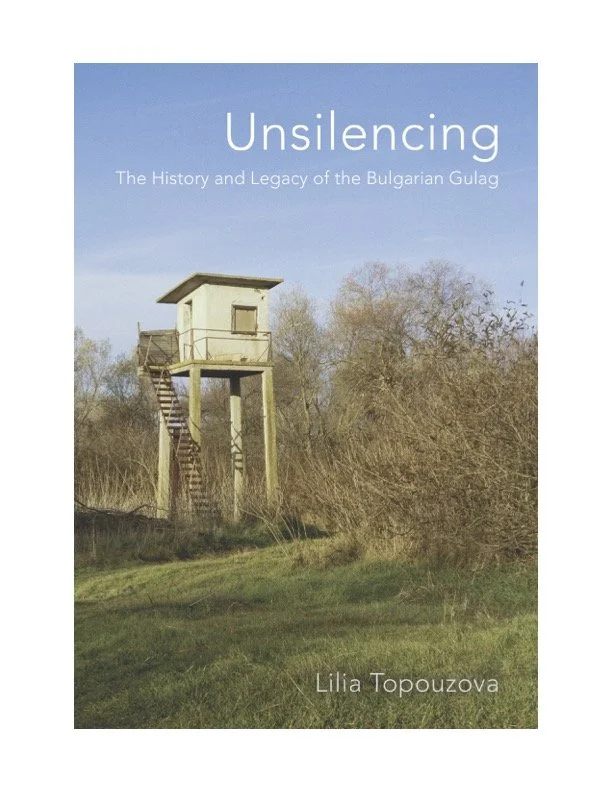
Book cover, photo courtesy of Krasimira Butseva
NC: What I found especially compelling in your approach and methodology is the way it moves across disciplines and across different historical layers of memory. We need more of that kind of thinking. Coming from Georgia — as I mentioned in my email — the question of reckoning with the past feels particularly urgent, because it is a process that never fully took place for us. That absence continues to shape the present. There were, of course, individual artists and filmmakers who tried to confront it — Tengiz Abuladze’sRepentance comes to mind, with its haunting image of the unearthed figure who refuses to stay buried. But those efforts never became a sustained societal process.
Georgia’s proximity to Russia, and now its renewed entanglement in the orbit of an increasingly aggressive neo-imperial project, has only deepened that suspension. Accountability is complicated in a small country: many people benefited from the regime, many were victims, and often those histories coexist within the same families. It becomes difficult to draw clear lines, and so the necessary conversations stall. For years now, I’ve felt that this unresolved past was bound to resurface, and recent events have only made that more visible and more painful. But before we turn to those larger questions, I want to begin somewhere more immediate: how is Rome treating you, and how long will you be there?
LT: I’m in Rome for a year, and it’s been wonderful. I come to this part of the world often — I also spent about half a year in Venice two years ago for the Biennale. What makes Rome special right now is that I can abstract myself from my usual routines and just be here. I am on sabbatical from the University of Toronto, so I have the rare privilege of inhabiting the city without being professionally tethered to it in the usual way. It is very different staying long enough to move past the six-month mark — that’s when you start to feel less like a visitor and more like someone who belongs to the rhythm of the place. You learn to step away from the tourist circuits, and that takes time.
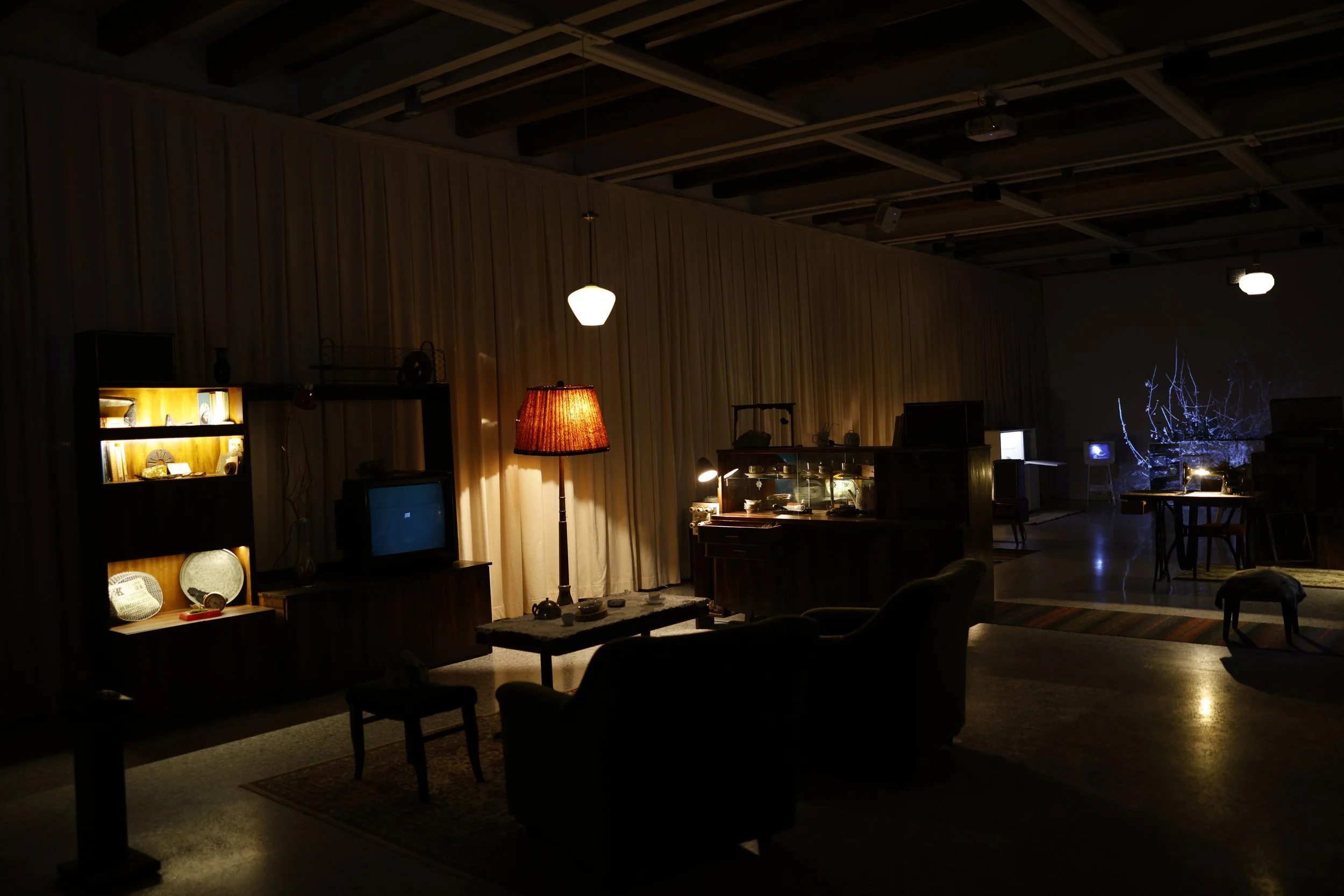
The Neighbours, Venice Biennale 2024. Photo courtesy of Krasimira Butseva.
NC: Was there a single experience that initially drew you in the direction of researching Bulgarian concentration camps and the public silence surrounding it? At the beginning of the book, you describe walks with your father outside the city and the conversations you had together. Do you see one particular moment from that time as especially formative?
LT: I think that witnessing the end of communism was something that marked my life. We grew up in an authoritarian state, and very early on, like many children who grew up under communist regimes, I had a kind of fervent belief—we were educated that way. And then I saw it fall apart. I was almost eleven, which is an age when you’re really paying attention. I saw it collapse. Then I immigrated to Canada, and I often talk about this shift I experienced early in life—from being a communist schoolgirl to something entirely different: to a catholic one. It’s precisely this experience that shaped me: realizing how fragile beliefs and values can be, and how swiftly they can change.
The end of the communist years in Bulgaria, as in the rest of the Eastern Bloc, was also very complicated. There was a forced assimilation campaign against the country’s Muslim minorities, and as children, we witnessed this. At the same time, we were told that we lived in a wonderful, beautiful world, yet there was clearly a disconnect. When you’re young, you don’t have the intellectual tools to fully understand that, but you feel the shift between what you’re told and the world as it actually exists. There is a profound dissonance in witnessing that—and then suddenly seeing people celebrating, feeling happy, and waiting to be free. That had a huge impact on how I understand history and memory. All of a sudden, everything—literally everything—collapsed around you. The Red Scarf you wore, the statues that were toppled: the physical world came apart. That’s a very stark reality to experience. And yet, at the same time, it was also a moment of tremendous hope. People were happy and hopeful; they felt a new sense of freedom. It was both a radical ending and a radical departure toward something better—a hope for something better.
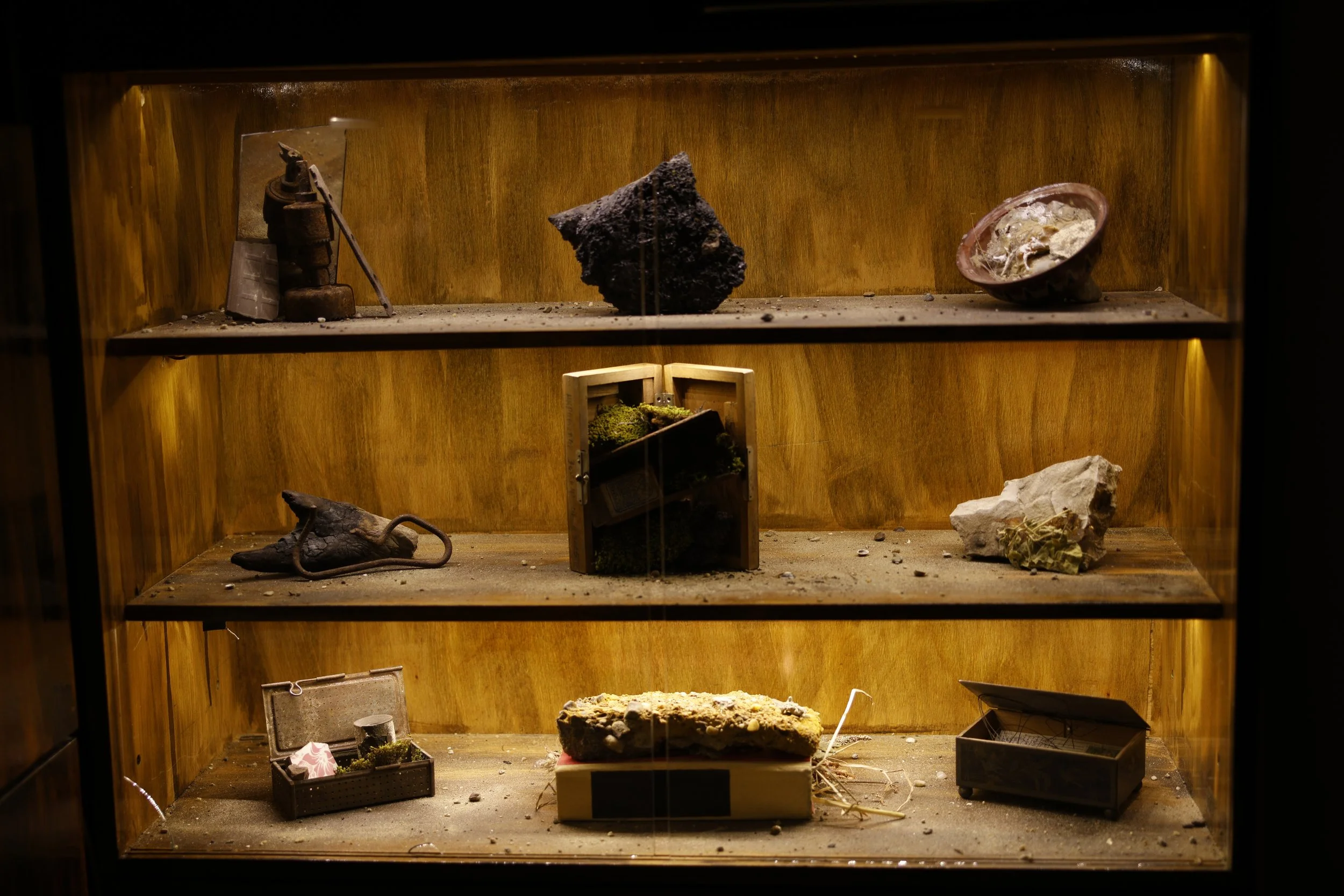
The Neighbours, Venice Biennale 2024. Photo courtesy of Krasimira Butseva.
NC: Yes, there was a big hope for something better. In Georgia, it was also a time of civil war, right? Because we had these breakaway regions—Abkhazia and South Ossetia—which declared independence in the early 1990s, leading to armed conflict and political instability. I just remember, well, at this time, there was no electricity, and there were lots of demonstrations. If you’re a little bit familiar, some factions were very much opposed to each other, with some people strongly aligned on one side. So it was very politicized, as it is now. It was a highly polarized society, very difficult, and people took sides to an extreme degree, as Georgians tend to do. It was very, very unstable and honestly a scary time—also criminal, in terms of, you know, criminal elements taking advantage of the chaos. It was like people were taking things such as security and safety into their own hands.
What are the core questions you wanted to ask or pose with your book Unsilencing: The History and Legacy of Bulgarian Gulags?
LT: So, the main question that I wanted to ask is:
-What happens to people who survive dictatorships?
-How is it that, as a society, we survive a dictatorship, and how do we live on, especially in societies where there was political violence at the state level, such as the gulag, right?
-What happens when that is over, and people need to move on with their lives?
And I wanted to pose these questions to everyone. I wanted to know what it was like for the people who are the victims, the survivors, of political violence. But I also looked at the perpetrators. I looked at a former camp guard and a camp administrator.
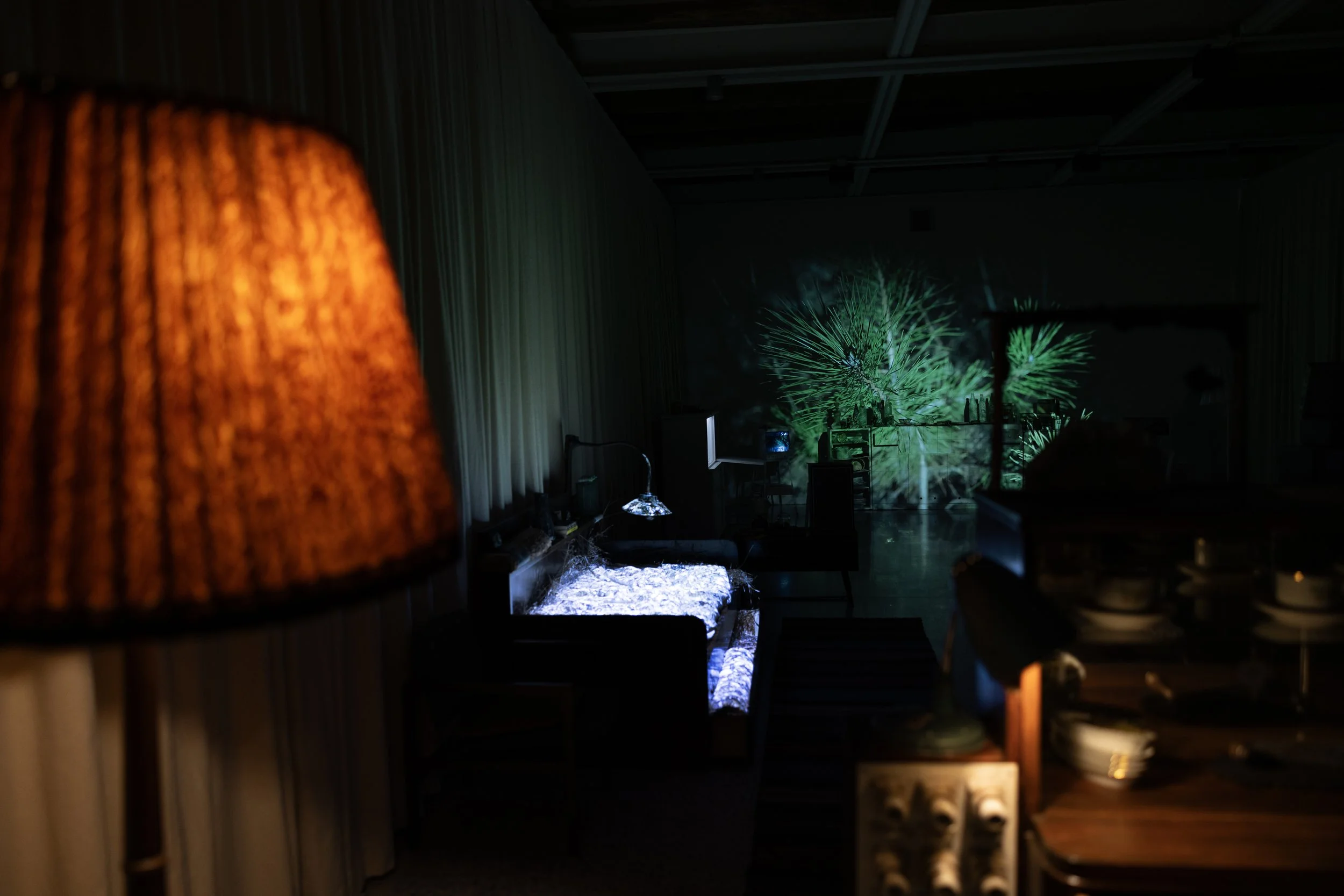
The Neighbours, Venice Biennale 2024. Photo courtesy of Krasimira Butseva.
NC: Yes, the histories are so well interwoven into this narrative, that’s why. What makes the book very readable is that, even though the topic is very heavy, you really created a compelling narrative that allows us to look at these historical problems through very human eyes. And this is something that really resonates with me as a curator as well, because this is precisely what I’m trying to do through exhibitions.
LT: Yeah, thank you so much for saying that. And I also wanted to write a book. I don’t know if you relate to that—I think you will. You know, when you operate in North America—I operate in Toronto, you are in New York, right?—and you work on, in my case, Bulgaria, but it could be Georgia or Armenia, you almost have to apologize and always provide context, right? Always have a caveat, always make it familiar to people. And you almost have to defend yourself, right? Why are you doing this? Very often, academic and non-academic books on these topics almost always begin with an apology, like, “This is a small country” or “This is an obscure part of the world.” Nobody knows, but it’s important. I wanted to work against that. I really rejected that, because to me, people’s lives, their lived experiences, are important regardless of location—they matter for their own sake. And so, I wanted to center these narratives without an apology, without a caveat, and without trying to make them relatable, which is something I really disliked in academia, in writing, and in art.
And that’s where we are. There is a way in which people talk about complexity. You know, when you come from the Balkans, when you come from the Caucasus, these regions are often put in a black box and labeled as “complicated.” But complexity—yes, complexity—is actually an opportunity to reflect on what that complexity means. It’s not like you’re doomed or condemned.
I think anybody can relate to this, because these are the ties that bind us—the universal emotions, the emotions at the core of this book. And I wanted to ask these big, broad questions through this case study. So, I looked at the victims—the survivors and their families, the perpetrators and their families—and then society at large. What happens to a society if it doesn’t address these issues? I think that trauma, be it societal, familial, or individual, if we don’t talk about it and reckon with it, comes back.
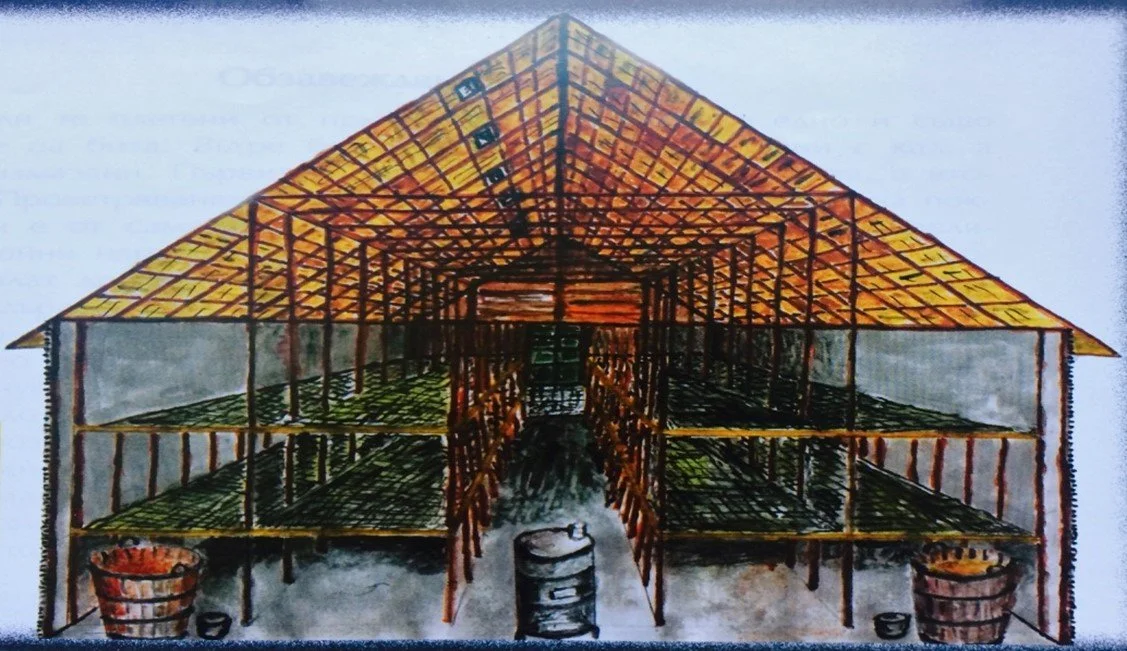
The interior of a barrack in the Belene forced-labor camp and prsion (1952-60), rendered my memory in 1977 by the survivor Krum Horozov. Ruse, 2003. Drawing courtesy of Krum Horozov.
NC: Exactly. I am very much interested in this idea of universal intersection and the dynamics of power, the relationship between artistic expression and the power opposing it. During the research for your book, was there any interaction with anyone that stood out to you in this context of artistic expression and its repression?
LT: So, I would absolutely say that he would never have identified as an artist. The first survivor I interviewed, Krum Horzov was someone who had been part of an agrarian union. He was a man on the left — a leftist who opposed Stalin and the communists. Because of this, he was sent to the Belene forced labor camp on an island in the Danube River, and he survived eleven years across different camps and prisons. Of course, he didn’t speak about these experiences for a long time. Then, in the 1970s, he began sketching the prison camp island. He started to draw, and he created these remarkable sketches and renderings of his experiences. They remain, even today, some of the most powerful visual documents of that era. He worked in secret, without making any of it public. He even self-published an album. Based on these drawings — these very beautiful, very moving sketches — we have been able to reconstruct and better understand parts of the landscape of this island in the middle of the Danube.
What is especially fascinating in his renderings is the shift in tone. They move from being architectural to becoming almost bucolic and even scenic. That transition is incredibly interesting to me — his evolution, in a sense, as an artist, even if he would never have called himself one. And this is what I find so compelling more broadly: can we find art, or even poetry, within testimony? This was never meant to be art — and yet, it becomes something very close to it. It was more like documentation — the will to bear witness gradually turning into something like an artistic project. He was the first person I interviewed, someone I grew very close to over the years. I’ve stayed in touch with his daughter as well, and I should probably see her when I go back to Sofia in February. But it’s difficult, because even the children of survivors carry scars. They often don’t talk about these things either.
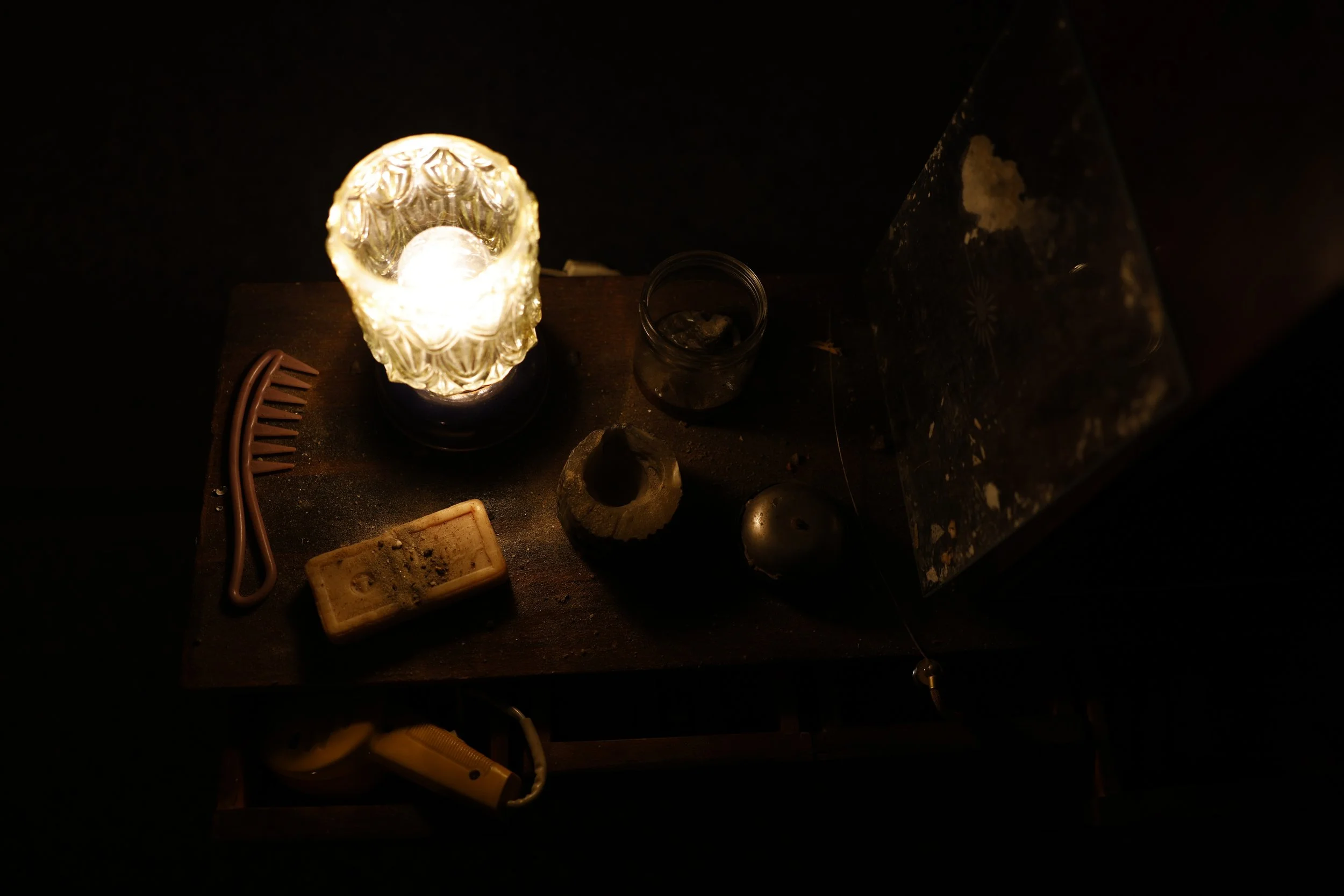
The Neighbours, Venice Biennale 2024.Photo courtesy of Krasimira Butseva.[
NC: Are you familiar Aleksander Etkind’s Warped Mourning: Stories of the Undead in the Land of the Unburied (2013)? In it, he discusses how it takes three generations to get over the trauma of concentration camps.
LT: I think Etkind is fantastic — really fantastic. Yes, yes. I use that book a lot. But it’s very different, because his conclusions aren’t fully applicable to places like Bulgaria or Georgia. In the Soviet Union, they had Memorial — they had an active civic structure for reckoning with the past. We didn’t have that. You didn’t have that. Memorial was incredibly important. Even in the 1980s, during perestroika and glasnost, there was at least a moment of public reckoning. That made a huge difference. So, in a way, Russians — at least in the capitals, in Moscow and St. Petersburg — experienced a brief period of radical unsilencing, which we didn’t have. That makes it a very different case study. But I love Edkins’ work. I really do. I love his work on mourning — I think it’s brilliant.
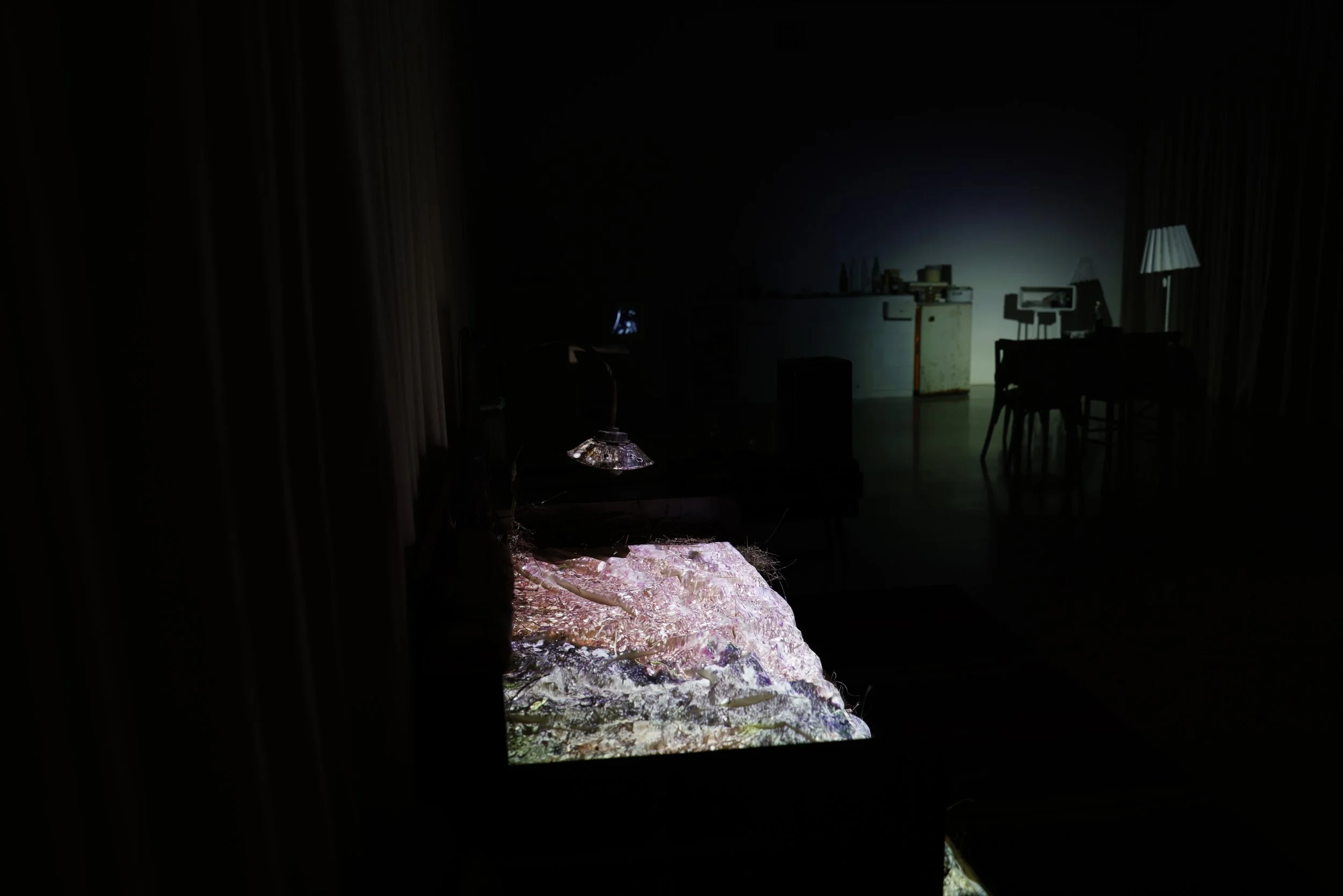
The Neighbours, Venice Biennale 2024. Photo courtesy of Krasimira Butseva.
NC: Yes, it made quite an impression on me when I read it, also because he brings in so many different ways of processing trauma, including how artists and writers work through it. I remember he mentions that it takes about three generations for trauma to be processed from beginning to end. So perhaps our children won’t carry it in the same way — but they’ll have their own burdens. That’s the problem with the times we’re living in. They may not inherit Soviet trauma directly, but they will inherit post-Soviet trauma. I’m not sure what form that will take.
LT: It's different now. I don't know if you agree with me, but I think we are witnessing a generational shift. There is a way in which that younger generation at least insists on discussing it, the language is there.
NC: In Unsilencing, you mentioned this difference between interior versus exterior time, and how people inside and outside of Gulags perceived time differently. Did you want to bring this kind of contradiction into your collaborative work titlled The Neighbors for the 60th Venice Art Biennale in 2024, which was chosen to represent Bulgaria’s National Pavilion?
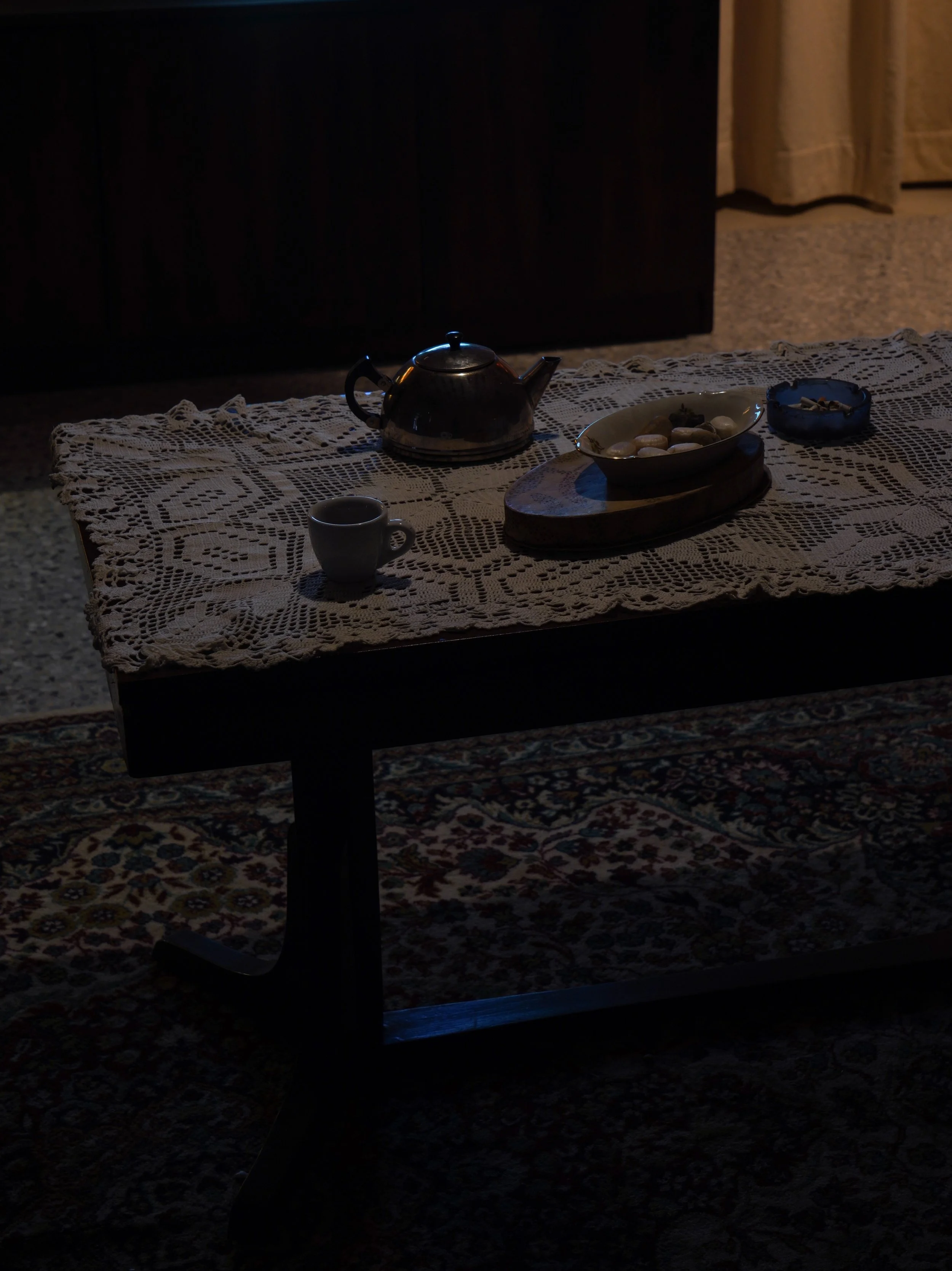
LT: So, we came together as three people working in different mediums. Krasimira Butseva, Julian Chehirian and I, under the curation of Vasil Vladimirov. My colleague Krasimira works with documentary photography, and she has spent a long time at the sites of former camps, interviewing people as I did. Julian Chehirian is a multimedia artist, and I came in as a historian and a filmmaker. We were all engaging the same questions, but through different forms. For the Biennale, we decided to bring those approaches together. Central to this was the distinction between exterior and interior. We realized that the memory of the camps — the memory of lived political violence — survived primarily within domestic interiors, within traditional socialist and post-socialist apartments.
We became very interested in how memory appears in these homes, because at the same time, they are just ordinary domestic spaces. These are not museums — although many survivors have, in their own ways, turned them into museums. We were drawn to the idea that memory hovers within this domestic space, which is at once so central and so normal. Because we were very focused on sound — and because so much of our work with oral history is sound-based — we began working closely with the interviews we conducted. Drawing on more than twenty years of research, we decided to recreate an apartment. In fact, we created three distinct spaces within it.
Usually, when working with oral histories as a scholar or researcher, you categorize them by conventional frameworks — gender, chronology, and so on. But none of that made sense for this project. Instead, we organized the material around three different ways of remembering the Gulag. For those who remembered most clearly and narratively, we placed their testimonies in the living room. The living room is a space of conversation, of receiving others, of speaking. Then there were people — many of them women — who shared their experiences with us for the first time, who bore witness to us in a very intimate way. We placed these conversations in the bedroom, which we saw as a space of quiet, of whispering. Historically, too, if someone was trying to avoid being overheard by the secret police, the bedroom — speaking softly under the covers — was often the safest place. That atmosphere shaped how we presented those voices.
The third category was for people who did not have the words to articulate their trauma, but whose presence and stories still deeply mattered to us. For them, we created the kitchen. This choice came from what might be called a “failed” interview I once had in a kitchen. In this recreated kitchen, you don’t hear spoken interviews. In the other rooms, voices are clearly audible, but in the kitchen, you hear only sighs and whispers. It became a space for those who could not speak, but who, in a way, still communicate.
So, we worked through sound to recreate this domestic environment. The installation is activated through hidden audio elements — there are no visible computers — and as you move through the apartment, you gradually become a witness. You hear different voices in different spaces as you walk. It was very important to us that the project not be only scholarly or only artistic. We wanted the archive, the oral history interview, the ethnographic encounter, and the artist’s studio to merge. What happens when they become one? That question was at the core of the project. We called ourselves The Neighbours, and the installation carries the same title, because anyone can be a neighbor–we are neighbors; we all have neighbors. It was a way to speak not through a direct political statement, but through lived, everyday experience.
First image: Lilia Topouzova, portrait by Martin Atanasov, Sofia, 2024.
The Neighbours, Venice Biennale 2024. Photo courtesy of Pierfrancesco Celada.