Hot Coffee Conversation with curator and writer Stephanie Buhmann
Published Tuesday, February 3, 2026
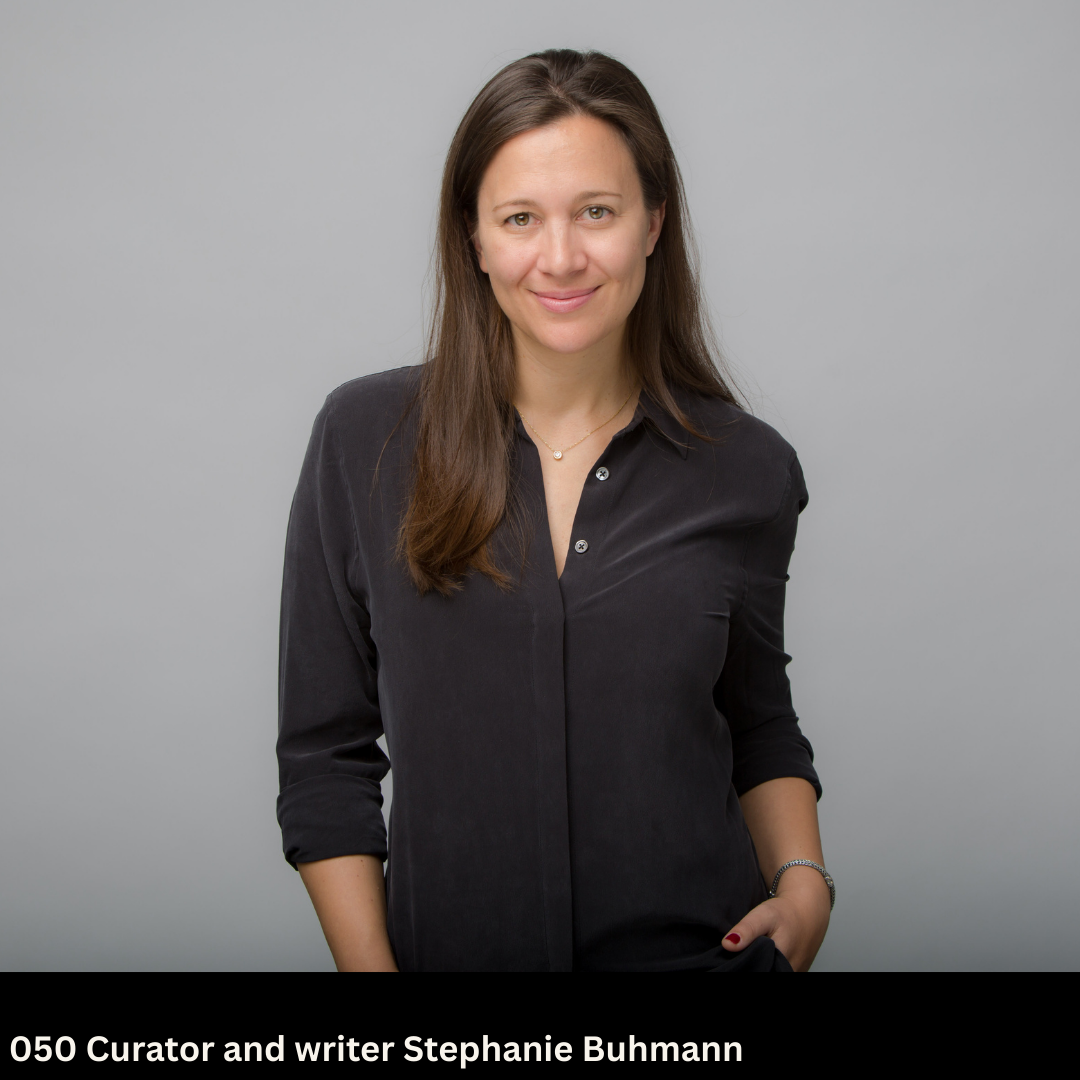
Stephanie Buhmann is a Hamburg-born and New York–based art historian, writer, and curator whose work bridges critical discourse, studio practice, and public engagement. She serves as Head of Visual Arts, Architecture, and Design at the Austrian Cultural Forum New York, a cultural outpost of Austria’s Federal Ministry for European and International Affairs, where she oversees the institution’s visual arts programming and helps to shape its curatorial vision. In this capacity, she has curated and co-curated exhibitions that foreground both historical and contemporary artistic voices, contributing to cultural exchange between Austria and the United States. Across exhibitions such as Vally Wieselthier: Sculpting Modernism, on view through February 9, Buhmann’s work brings attention to under-recognized figures and transnational artistic trajectories, amplifying dialogues that traverse disciplinary, historical, and geographic boundaries. The scope of the current exhibition will be extended through a symposium co-hosted by The Jewish Museum and CUNY Graduate Center. Known for her longstanding focus on the artist interview as a form of research, Buhmann has conducted hundreds of studio visits, developing a mode of dialogue that foregrounds process, material thinking, and the social conditions of artistic production. It was a great pleasure to get to know Stephanie Buhmann through the ongoing show and facilitate this interview. In a historical moment when curatorial work has been discounted, a conversation about the values that go into this profession is timely.
Nina Chkareuli: Imagine you are in your favorite coffee or tea spot. Where is it? What are you drinking? What are the three things you see right now?
Stephanie Buhmann: I’m in a cafe in my neighborhood in Brooklyn, a small, light-filled space that’s busy yet relaxed. I’m drinking coffee and watching people chat; some are absorbed in writing, others reading quietly on their own. Some fantastic novels have been written here in recent years. I also see plants, and when I look down at my table, the papers I brought to edit. That’s actually something I love: working on text drafts while I’m out and about, like on the subway or in a bustling coffee shop.
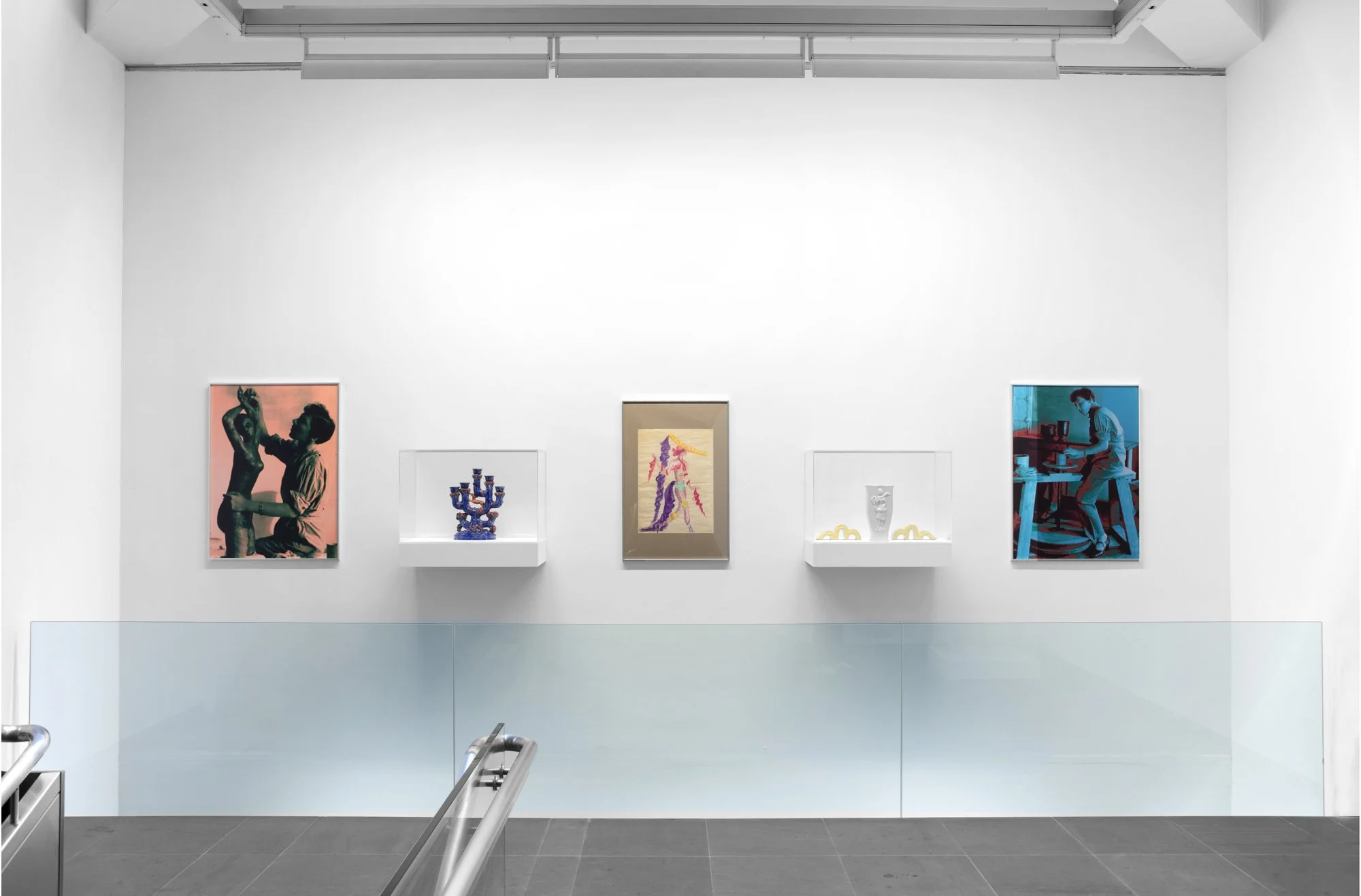
Vally Wieselthier: Sculpting Modernism, Austrian Cultural Forum New York, curated by Stephanie Buhmann, October 15, 2025 - February 9, 2026. Photo: Kevin Noble. Courtesy of the Austrian Cultural Forum New York.
NC: Your writing often moves between close observation of individual artistic practices and broader institutional or historical frameworks. How do you decide when a work demands contextualization, and when it is best allowed to stand on its own terms?
SB: I have always been drawn to the interplay of the macro and the micro. When I write about art, I strive to balance close attention to an individual artwork with an understanding of its broader historical, cultural, and perhaps institutional contexts. I also like to weave in details of the artist’s biography, with the understanding that while a work, once completed, has a life of its own, its creation does not happen in a vacuum. Everything that is made, regardless of its claim to timelessness, bears the imprint of its moment of origin. Still, deciding how much contextualization a work requires is largely intuitive: some works call for being situated within larger frameworks in order to be fully understood, while others are so formally or conceptually self-contained that they are best encountered on their own terms.
Overall, I would say my approach is somewhat cinematic. In the first frames of a film, a camera might sweep across a vast landscape before zooming in on a house, a conversation between people within it, or any kind of action. It also might start with an intense close-up and only later reveal the surrounding world. The goal is always to let the work breathe while offering viewers points of entry that deepen attention and understanding. What matters to me is maintaining a balance: gathering as much contextual knowledge as possible, while ultimately allowing space for sustained, attentive looking, and also allowing readers to make their own connections. A single work of art can contain its own cosmos, yet it is never without connection.
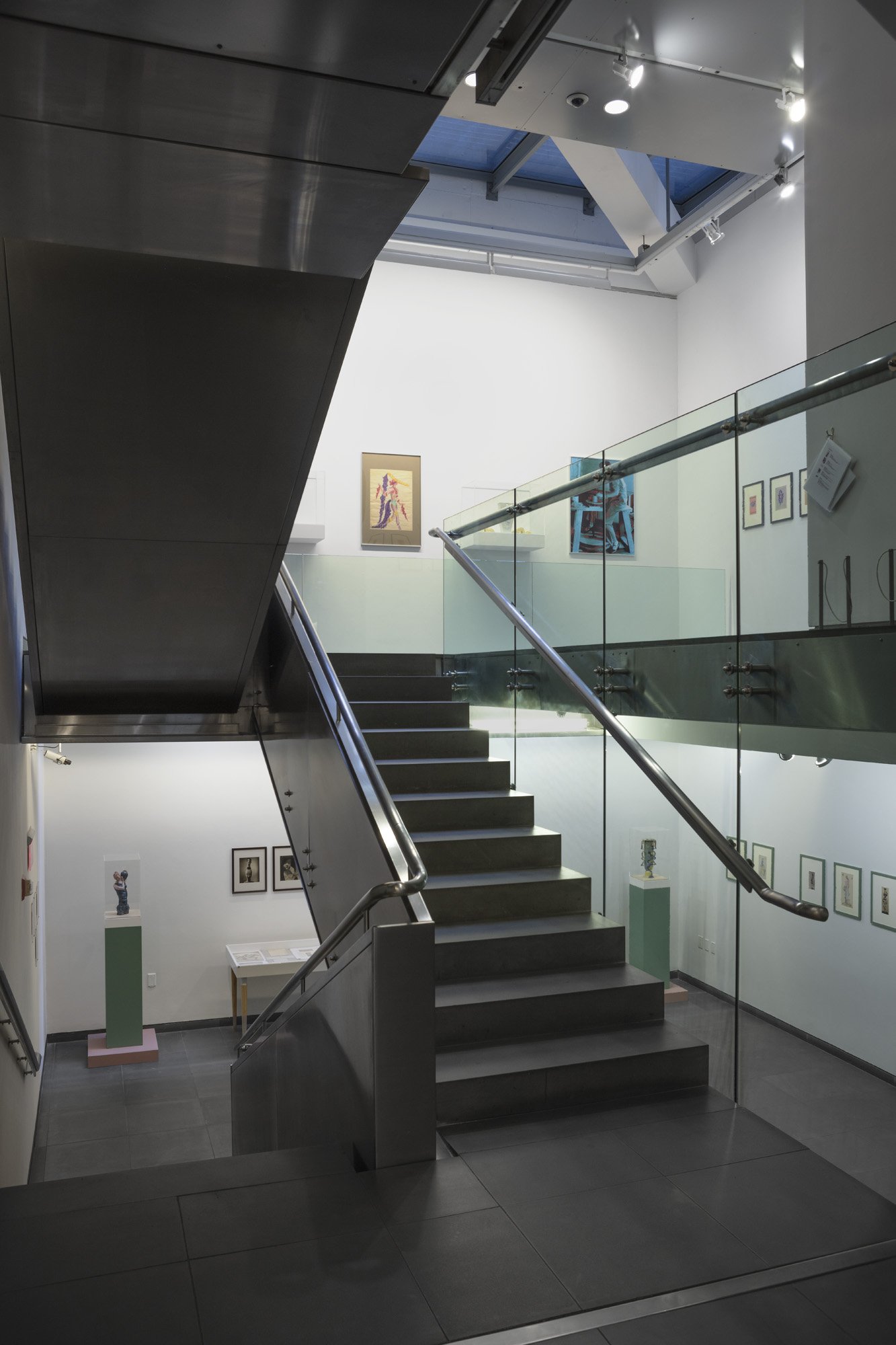
Vally Wieselthier: Sculpting Modernism, Austrian Cultural Forum New York, curated by Stephanie Buhmann, October 15, 2025 - February 9, 2026. Photo: Kevin Noble. Courtesy of the Austrian Cultural Forum New York.
NC: What was the single formative cultural or intellectual experience that started your curatorial career?
SB: There was not a single formative experience, but several, dating to my childhood and youth. My interest in art was shaped early through repeated visits to museums with my parents in the city where I was born and raised, Hamburg, and during our family travels. Wherever we went, local art museums were essential destinations simply because we enjoyed them so much as places of shared, sustained attention, curiosity, and discovery.
I was especially drawn to the Museum für Kunst und Gewerbe Hamburg, at the time a less prominent institution within the city, and, of course, to the Kunsthalle Hamburg. The Kunsthalle’s extraordinary collection, spanning multiple centuries, introduced me to artists who continue to anchor my thinking today: Caspar David Friedrich, with works such as Wanderer above the Sea of Fog; Ernst Ludwig Kirchner, with his iconic Self-Portrait with Model, holding a paint brush; and the paintings of Paula Modersohn-Becker. Encountering these works repeatedly as a child created a sense of continuity between past and present that has remained central to my curatorial interests ever since.
Then, when I was nine years old, we went to see Luna Luna in Hamburg during the summer of 1987, the experimental amusement park conceived by the Austrian artist André Heller, where major contemporary artists, including Jean-Michel Basquiat, Keith Haring, Roy Lichtenstein, David Hockney, Rebecca Horn, Salvador Dalí, and Arik Brauer, designed carousels, ferris wheels, funhouses, and interactive pavilions. It was meant to tour the world, but Hamburg ended up being the only place where it was shown. There, art became something lived and experienced, not merely observed, and I remember being very much impressed by the sense that art could create entire worlds and be an open invitation for participation. I still have my souvenir T-shirt by the way.
Later, as a teenager, I closely followed the opening of the Kunsthalle’s new contemporary building, the so-called Galerie der Gegenwart, in 1997, which focused on twentieth-century and contemporary art. Watching how collections were recontextualized and narratives reshaped across spaces marked a turning point for me. It was then that I began to understand curating as a form of storytelling, an intellectual and ethical practice that weaves historical context, artistic intention, and institutional framing to shape how artworks are experienced and understood. It was also the first time the symbiosis of art and architecture became evident to me, as the building itself, a cube designed by Oswald Mathias Ungers, was a major presence in its own right.

Vally Wieselthier: Sculpting Modernism, Austrian Cultural Forum New York, curated by Stephanie Buhmann, October 15, 2025 - February 9, 2026. Photo: Kevin Noble. Courtesy of the Austrian Cultural Forum New York.
NC: Your most recent curatorial project at the Austrian Cultural Forum New York is the Vally Wieselthier: Sculpting Modernism exhibition, spotlighting an under‑recognized figure in modernist design and ceramics. How did you approach re‑situating Wieselthier’s work within broader narratives of modernism and material practice, and what curatorial choices were most decisive or challenging for shaping that narrative?
SB: Re-situating Vally Wieselthier’s work required holding two commitments in balance: honoring her pioneering achievements and material intelligence of her practice, while resisting the tendency to frame her simply as a rediscovered or “forgotten” female artist. In fact, in Europe, significant scholarship has emerged around Wieselthier in recent years, and her work has been prominently featured in institutions in Germany and Austria for years, to the extent that she will be the subject of another solo exhibition at the Museum für angewandte Kunst (MAK) beginning this April. In the United States, however, where she spent much of her mature career, from her arrival in 1928 until her untimely death in 1945, she has remained largely absent from art-historical narratives.
From the outset, I approached the exhibition not as an act of rediscovery alone, but as a critical re-entry, positioning Wieselthier as an active and generative contributor to modernism whose work complicates and expands its dominant frameworks. My aim was to offer audiences new to her oeuvre a solid overview of her achievements, and to uncover new research and material related to her many ambitious projects in the United States, thereby extending and enriching the existing European scholarship.
A decisive curatorial choice was not to organize the exhibition chronologically, but instead to interweave works from different phases of her life and career, bringing together objects from her years with the Wiener Werkstätte, for instance, with works documenting her collaborations in the United States, including with the manufacturing firm General Ceramics. Presenting original drawings, photographs, handmade works, serially produced sculptures, and functional objects side by side revealed a consistent yet flexible visual vocabulary: recurring gestures such as raised arms, distinctive color combinations, and thematic concerns that traverse media and modes of production.
To me, Vally Wieselthier is endlessly fascinating because her ceramics, sculptures, drawings, photographs, and designs move fluidly between art and craft, challenging long-standing (and now outdated) hierarchies within modernist historiography. She was also deeply democratic in her outlook, which I believe is part of why she was so drawn to ceramics. She wanted her work to be accessible and to enrich everyday life in a direct, unpretentious way. Rather than aspiring to pedestalized objects, she was interested in works that could be used and enjoyed as part of daily routines. At the same time, it was precisely her distinctive, expressive handling of materials and her willingness to push them to their limits that transformed functional objects such as candelabra or vases into sculptural works. Her glazes, in particular, possess an unmistakably painterly quality. By emphasizing her experimentation with materials, scale, surface, and figuration, and by placing works from different moments of her career into direct dialogue, the exhibition framed material practice itself as a site of modernist innovation rather than as a secondary or applied concern.
Lastly, the exhibition extended this spirit of free experimentation through a contemporary lens with The Girl with the Green Apron, a site-specific installation by New York–based Austrian artist Sascha Mallon. Drawing on Wieselthier’s biographical fragments, sculptural motifs, and personal correspondence included in the exhibition, Sascha succeeded in weaving memory and myth into an intimate, imaginative response that invited viewers to delve deeply into Vally Wieselthier’s unique story while underscoring her enduring relevance.
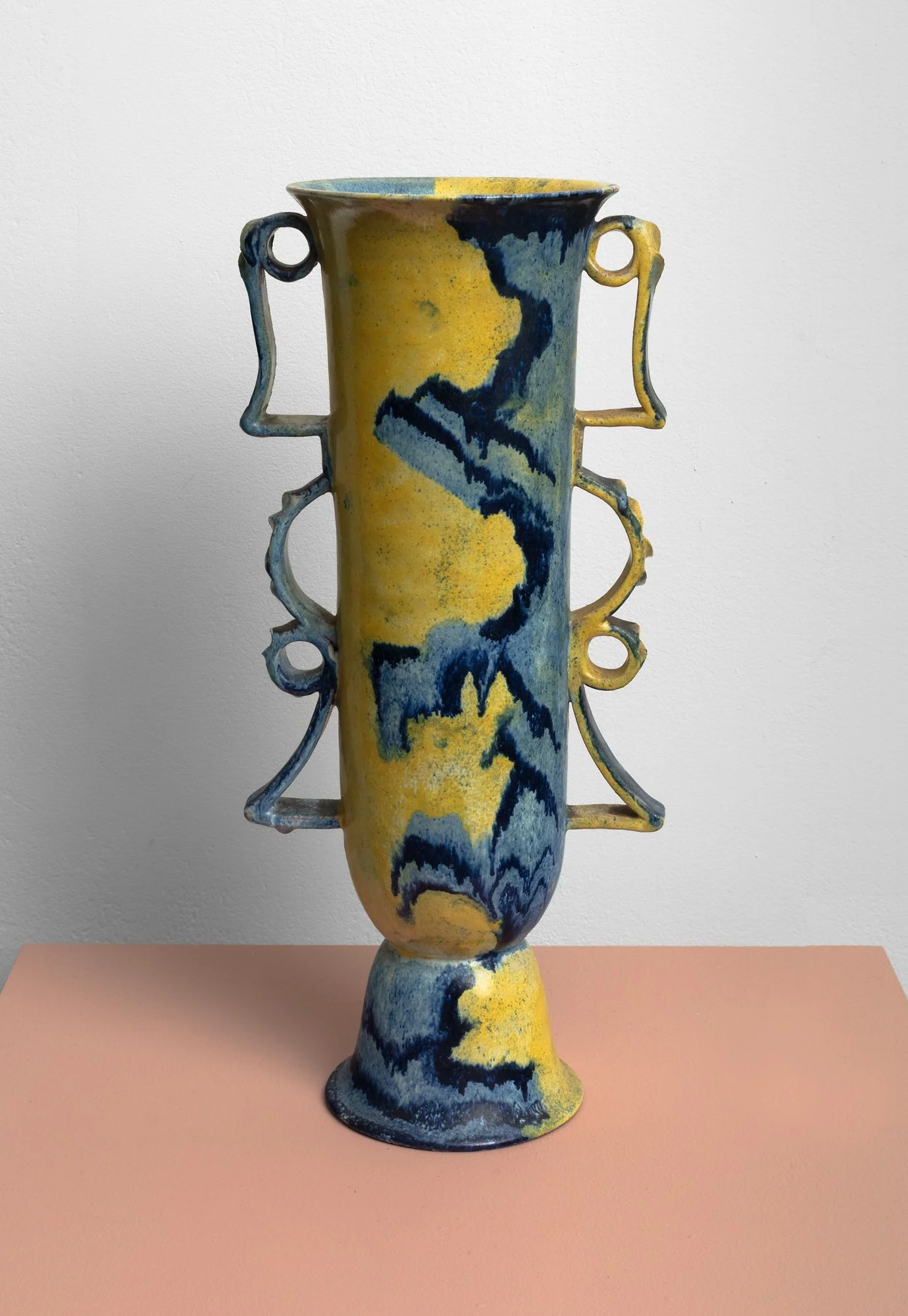
Vally Wieselthier, Vase, 1927. Glazed earthenwarePrivate Collection, New York. Photo: Kevin Noble. Courtesy of the Austrian Cultural Forum New York
NC: Having worked extensively as a critic, curator, and cultural mediator within institutional settings, how do you navigate the different responsibilities and power dynamics these roles entail, particularly when working with living artists?
SB: I love working with artists and diving into subjects wholeheartedly: through observation, conversation, and reflection in writing. That’s why I enjoy engaging in different capacities.
As a curator, my main responsibility is to create a space where artists feel comfortable presenting their work to the public, so it can be experienced with the depth, rigor, and care with which it was created. Exhibiting work involves taking it out of the intimate context of the studio and situating it within a broader institutional, historical, and public framework. This transition can be nerve-wracking. It’s a bit like seeing your children grow up and venture into the world, not everyone will love them or treat them with the same goodwill you would hope for them.
As a critic or writer, you take a step back. I value independence and critical distance, yet at the root is a desire to capture a glimpse of something magnificent, something that, in this particular form, whether an installation or part of an exhibition, will never appear again. Critique becomes a form of engaged analysis and collective memory. A critic creates a footnote that honors the work while remaining conscious of how language circulates within institutions and careers.
Lastly, as a cultural mediator, I translate between artists and institutional structures, advocating for their vision while clarifying constraints and possibilities. In this role, you act as an agent or a bridge builder, striving to realize projects as faithfully as possible to the original vision, while working within the framework of the institution.
Personally, I value writing, especially through my ongoing interview series, published by The Green Box, Berlin, since 2016, and curating, for the intensive dialogue it fosters with artists and audiences as a continuous form of learning. I am constantly expanding my understanding of subjects, outlooks, perspectives, and the diverse histories, cultural frameworks, and social contexts that inform them. In historical exhibitions, one often arrives as a specialist in a particular field, genre, or period; in contemporary art, however, one must first be an expert listener, capable of providing a safe space in which an artistic vision can take root with as much integrity as possible.
While all of these tasks require distinct skills and present varying challenges, they are all part of a single passion: working with artists and artworks to create exhibitions that invite reflection - on the world we inhabit and hope to shape, but also on ourselves, and on our relationships to others, near and far, including our connection to the natural environment, built infrastructure, and architectural settings. My aim is to foster experiences that slow down, require attention, open new perspectives, and cultivate curiosity, empathy, and critical engagement, allowing art to act as a lens through which we consider the complexity of human and environmental interconnectedness.
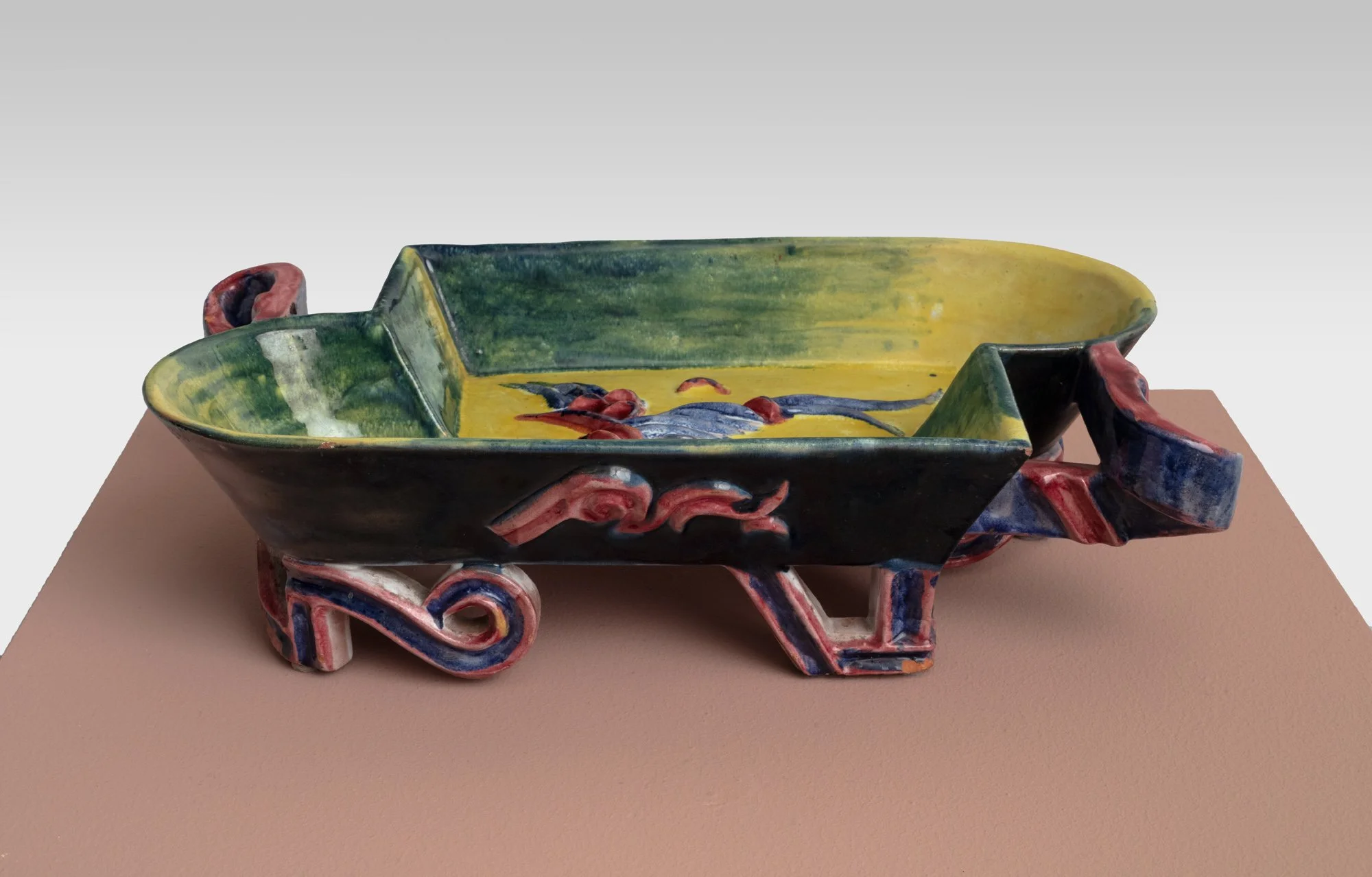
Vally Wieselthier, Aufsatz mit Vogel (Bowl with Bird), 1927. Glazed earthenware with hand-painted decoration
3 1/8 x 12 x 6 7/8 inches (8 x 30.5 x 17.6 cm)
Designed circa 1926/27, executed by the Wiener Werkstätte. Private Collection, New York. Photo: Kevin Noble. Courtesy of the Austrian Cultural Forum New York
NC: What is the most exciting curatorial or writing project that is coming up for you in 2026?
SB: One of the most exciting projects I am currently working on is the upcoming publication of a book on the Vally Wieselthier: Sculpting Modernism exhibition, which builds on the research developed through this project. In collaboration with the Jewish Museum New York and the CUNY Graduate Center, we are also organizing a public, free symposium on Wieselthier and related topics. Both initiatives provide an excellent opportunity to deepen engagement with her innovative approach to modernist ceramics and design, while highlighting new scholarship on her work.
I am also looking forward to our upcoming exhibition with the architect Dietmar Feichtinger at the Austrian Cultural Forum New York, which presents an exciting opportunity to explore the intersection of architecture, public space, and social engagement, emphasizing how design shapes human experience and interaction. Born in 1961 in Bruck an der Mur, Austria, and based in Paris for many years, Feichtinger is renowned for combining precise engineering with poetic lightness. His work is characterized by formal clarity, a restrained material language, and careful attention to movement, transition, and spatial experience. Whether designing pedestrian and cycle bridges, school campuses, or complex urban hubs, he consistently prioritizes accessibility, orientation, and the quality of shared spaces.
I’m looking forward to continuing to explore how we can (re)build connections in a time of division. I believe that most people yearn for community and share the conviction that we are stronger together, when we share our moments of strength, vulnerability, and sorrow. To me, art is the most powerful language for communicating that.
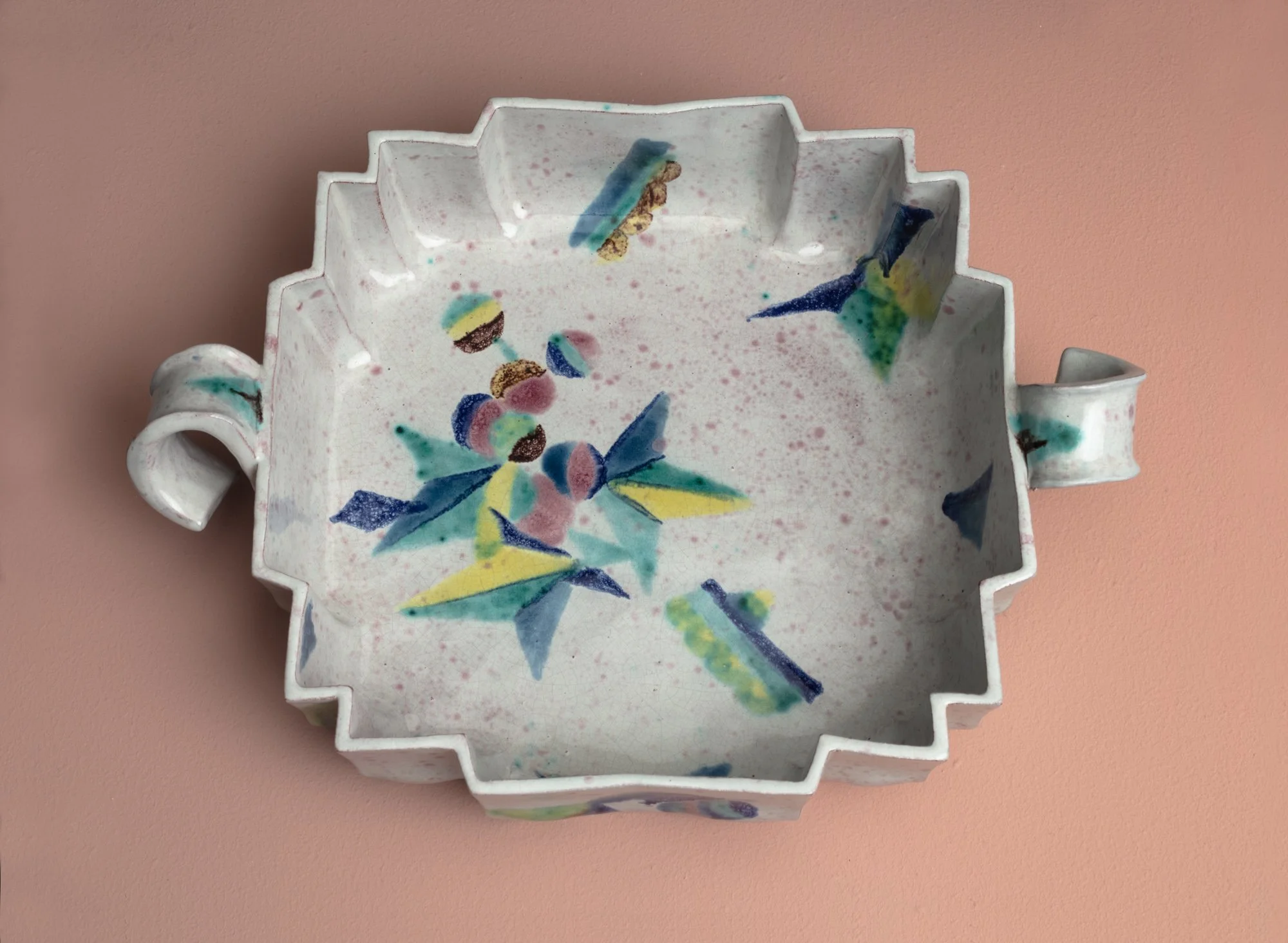
Vally Wieselthier,Two-handled bowl, circa 1925. Glazed earthenware with hand-painted decoration, 2 1/2 x 9 x 9 inches (6.35 x 22.86 x 22.86 cm). The Ethel Morrison Van Derlip Fund. Photo: Kevin Noble. Courtesy of the Minneapolis Institute of Art