Seydou Keïta: A Tactile Lens at the Brooklyn Museum, New York

Installation view of Seydou Keïta: A Tactile Lens; image courtesy of Brooklyn Museum.
Author: Natasha Chuk
Across Seydou Keïta’s dozens of visually striking black and white portraits on view, both high-ranking officials and everyday Malians alike appear with a composure and sartorial acuity that feels ahead of its time. His was a studio practice that elevated portraiture from simple documentation to an act of creative and social authorship. With a photographic practice beginning in the 1940s, a period marked by French colonial occupation, expanding Islamic influence, urban growth, and new forms of mass media, Keïta’s studio photographs became a site where subjects could rehearse and assert who they were, and who they wished to be, within a rapidly shifting social terrain and a nation on the verge of transformation. These carefully staged declarations of identity were made during a time when photography across much of West Africa was becoming a vital language of self-presentation, pride, and cultural negotiation.
Keïta’s distinctive aesthetic grew out of working in his home courtyard with natural light, where his images achieved their signature crispness of detail and control of contrast. Such clarity reveals the sitter’s expressions and the richness of their garments. Under French colonial rule, clothing became a field on which political identities were negotiated. Sometimes they were aligned with colonial notions of elegance and propriety, other times they resisted them through the insistence on indigenous styles. Strategically selected clothing also communicated multiple registers of social meaning: dress articulated pride, economic standing, and one’s place within a hierarchy of age, gender, religion, and community. Pattern mixing, the layering of textures, and the presence of bold jewelry signaled both personal taste and an engagement with the expanding marketplace of imported fabrics, influenced by indigenous and Islamic traditions and European textiles. Subtler forms of cultural tension and adaptation are also present across these images. Footwear and wristwatches, once rare and expensive, functioned as markers of status and financial stability. Studio portraiture thus became an arena where public and private identities blurred, offering subjects a controlled environment in which to reflect and reshape how they were seen in everyday life.
The women’s dress can be read as participating in this dynamic: coordinated ensembles suggested an awareness of modern photographic aesthetics circulated through colonial propaganda and magazines, while the textiles and jewelry asserted forms of cultural continuity. Several images feature women posing in pairs, mirroring each other in posture and attire, often set against contrasting architecturally patterned backdrops. This deliberate “twinning,” a visual strategy common in Soudainais culture, also carried layered meaning. Such paired presentations among friends and family members signaled a kinship through spiritual ties, sisterhood, or deep friendship. It was a way of claiming a shared identity that exceeds biological relation. In other portraits, sitters posed alongside radios, automobiles, motorcycles, and bicycles. These chosen props—items in Keïta’s personal collection—were status symbols representing technological progress and modernization. In a broader cultural sense, these choices performed a unified front of dignity and visibility, communicating stability and mutual identity construction in a time of political change and uncertainty.
The exhibition’s curatorial framework includes a range of photographic forms: vintage prints, monumental enlargements, and original hand-tinted works, allowing viewers to understand the photograph within a larger narrative of Keïta’s practice and creative vision. The presence of hand-tinted works underscores the documentary role of color as information: tinting beautified and highlighted ornament, jewelry, and clothing as essential markers of identity. By including a timeline that spans life before the photographer’s birth through his working years and displays of textiles and personal artifacts, the curators position the images, personal attire, and camera equipment within the profound transformations of the period.
Ultimately, this exhibition reveals the social function of photography as a collaborative performance, not unlike the ways we use photography today on social media platforms. It illustrates the creative ways subjects used the photographic medium to craft their public personas with intention and care. In doing so, it stands as a testament to photography’s crucial role in shaping cultural memory, self-representation, and collective identity at a pivotal moment in Malian history. Crucially, the exhibition also insists that Seydou Keïta’s work merits consideration alongside the canonical fashion photographers of the period, where his visual elegance and experimental intelligence match and at times exceed the standards set by the period’s most famous studio photographers, such as Richard Avedon and Irving Penn. In doing so, it affirms his place among the great portraitists of the twentieth century.
Seydou Keïta: A Tactile Lens is on view at the Brooklyn Museum through May 17, 2026.
About the author: Natasha Chuk is a media theorist, writer, and curator based in New York.
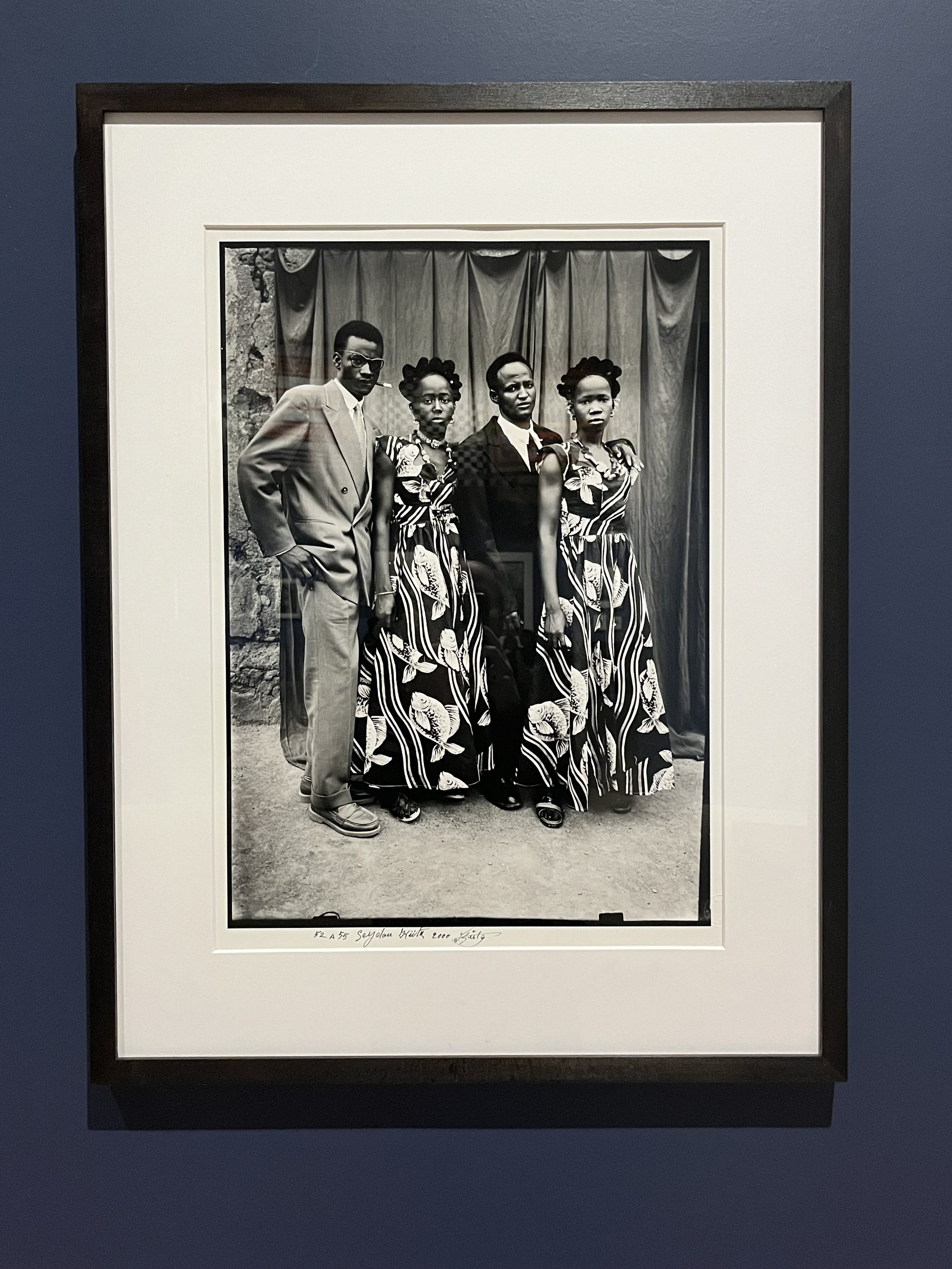
Installation views of Seydou Keïta: A Tactile Lens; images courtesy of the author.
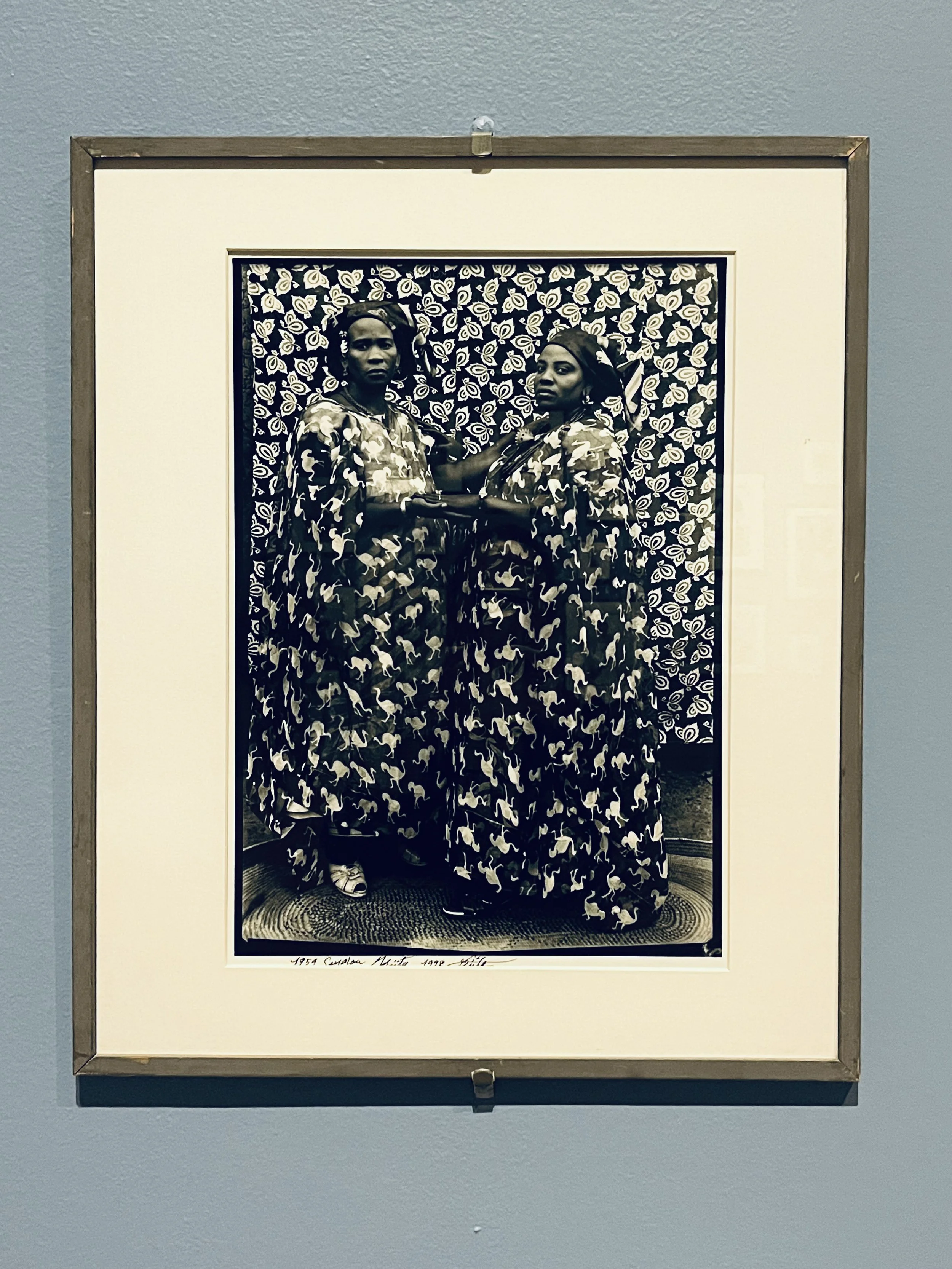
Installation views of Seydou Keïta: A Tactile Lens; images courtesy of the author.