The State Silk Museum. Nature, Memory, and Contemporary Practice of Preserving, Participating, and Rethinking the Role of the Museum
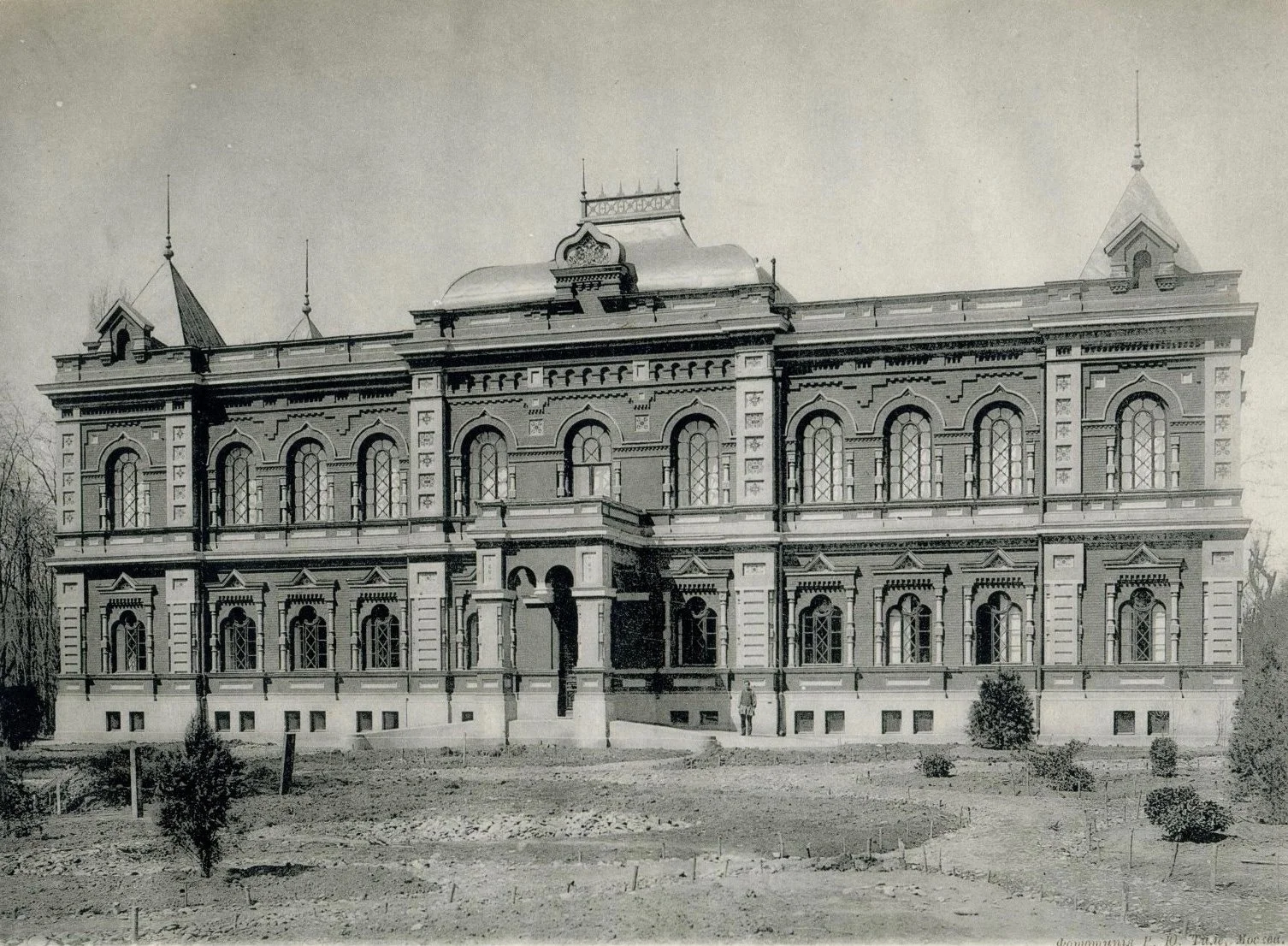
State Silk Museum, Tbilisi,Georgia
by Mariam Shergelashvili
What role can a museum play in the twenty-first century? Is it primarily a space for preserving and representing the past, or can it become a space where society reflects on the present through its relationship with history while imagining possible futures? These questions have become increasingly important as museums respond to cultural, political, social, technological, and ecological transformations.
The State Silk Museum provides a particularly interesting context for considering these questions. Established in Tbilisi in the late nineteenth century in 1887 as part of the Caucasian Sericulture Station, the institution emerged from the scientific, agricultural, and economic networks surrounding the development of sericulture in the Caucasus. Its historical collections were formed through the study of the silkworm and mulberry tree, textile production, natural sciences, technological processes, and the exchange of knowledge across different geographical regions. At the same time, its purpose-built historical building and interior represent an important architectural heritage. The museum’s identity has therefore never belonged to a single discipline: it has historically existed at the intersection of natural science, sericulture, textile production, architecture, technology, and cultural history. This multilayered institutional history provides an especially productive context for reconsidering what a museum can represent today.
Traditional museum models have often been associated with preservation, classification, and the authoritative transmission of knowledge. At the same time contemporary museology has increasingly questioned the idea that museums can operate as neutral narrators of history. In this regard, the work of American art historian and museum scholar Carol Duncan is particularly relevant. Her analysis of museums as culturally constructed spaces demonstrates how museums go beyond the preservation of objects, actively shaping cultural meaning and value. Through collecting, classification, architecture, exhibition design, and interpretation, they influence how societies understand history and cultural identity.
The historical museum principle of “preservation and transmission” therefore contains an important tension. The museum protects objects from disappearance while continually reinterpreting them in response to changing historical circumstances. It represents permanence but exists in a state of continuous transformation.
At the State Silk Museum, this tension has gradually developed into an institutional method. Since 2016, the museum has developed a long-term exhibition strategy based on interpreting its history and collections through contemporary artistic and research practices. Exhibitions, residencies, research projects, educational programs, and collaborations with artists, curators, and researchers have increasingly engaged with the collection as a source of new questions and interpretations, opening the archive to new perspectives.
Nino Kuprava, director of the State Silk Museum, articulated this understanding in her 2017 statement for the temporary exhibition Ravel / Unravel: Hidden Process: “Time itself is a continuous thread directed towards the future… Museum-connecting past and future… Museum explores, creates, invites, carries, receives, changes… teaches, learns.”[1]
The metaphor of the continuous thread is particularly meaningful within a museum dedicated to silk. A thread connects separate points while remaining in motion; it can be woven, unravelled, interrupted, and reconfigured. Following the above-mentioned formulation, the museum similarly appears as a dynamic and processual space in which different times, objects, people, and forms of knowledge are continuously connected. The sequence of verbs: explores, creates, invites, receives, changes, teaches, learns, gives the institution an almost organic rhythm. The museum does not simply possess knowledge; it participates in its circulation and transformation. Preservation remains fundamental, but what is preserved is continually brought into new relationships through research, interpretation, experimentation, and exchange.
This shift also changes the relationship between institutional authority and the public. Knowledge is no longer communicated exclusively from museum to visitor. Artists, researchers, architects, educators, students, and audiences become participants in the production and reinterpretation of meaning. The museum thus moves from the transmission of a singular narrative toward a more dialogical model in which different perspectives can encounter one another.
Within the Georgian context, this transformation has particular significance. Museums have historically been strongly associated with authoritative historical narratives and systems of classification. Moving toward collaborative and interdisciplinary practice also means reconsidering what museums present, who interprets cultural heritage, and who participates in producing knowledge around it.
The museum therefore becomes both a cultural and civic space. This does not mean giving up scholarly expertise or the responsibility to preserve collections. Instead, these functions are expanded through dialogue between historical and scientific knowledge, artistic interpretation, lived experience, collective memory, and contemporary concerns.Preservation and participation can work together, allowing the museum to care for its heritage while continually reconsidering its meaning in the present.
Nature, Collection, and Interconnected Knowledge
Nature became the conceptual connecting concept of the 2026 programme because the State Silk Museum’s own history already challenges the separation between nature and culture. Sericulture exists through relationships: between the mulberry tree and the silkworm, human labour and non-human life, biological processes and technological systems, textile production and economic history. Silk itself is therefore both a natural and cultural material.
My experience of working with the museum’s collections has increasingly made these relationships visible. Observing the life cycle of the silkworm gradually dissolved, for me, the strict distinction between scientific knowledge and metaphorical interpretation. The silkworm transforms mulberry leaves through its body into silk. This biological transformation can simultaneously be read through ideas of temporality, production, fragility, regeneration, and metamorphosis.
Within contemporary exhibition practice, the museum’s botanical collections, natural dyes, butterfly collection, and the Kura River extend beyond scientific documentation. They allow us to understand nature as an interconnected system in which human activity, cultural knowledge, and environmental processes continuously interact.
A historical herbarium, for example, records botanical knowledge, but it can also reveal changing landscapes, agricultural practices, environmental histories, and institutional approaches toward the classification of nature. Natural dyes connect plants with textile knowledge, craft traditions, labour, material culture, and contemporary discussions of sustainability. The renewed butterfly collection simultaneously belongs to scientific history and raises contemporary questions about biodiversity, fragility, transformation, and ecological responsibility.
Within the museum’s current exhibition policy, research-based and theme-oriented initiatives strengthen these connections by approaching the museum’s historical context through contemporary questions and methods. Collections, architecture, and the museum’s surrounding environment become interconnected fields of research.
The temporary exhibition Museum and River, developed by artist and architect Natalia Nebieridze and architect Masha Chighvinadze within the broader research framework Genius Loci Tbilisi, expands this relationship from the museum collection toward the surrounding city. The Kura River emerges as a geographical and ecological element as well as a cultural landscape shaped by urban development, infrastructure, memory, and human intervention.
In this sense, the river itself can be understood as an archive, one that is continuously moving and changing. The project therefore proposes another way of thinking about heritage, where transformation itself becomes part of how cultural and environmental memory is formed and understood.
Architect Nino Chachkhiani, author of the State Silk Museum’s rehabilitation project, introduces a related perspective through her site-specific installation History Notebooks. Materials connected with the museum’s rehabilitation reveal architecture as another form of historical record. The building contains traces of different institutional and social periods, while its restoration becomes another layer in its continuing architectural biography.
These projects also demonstrate how the relationship between museum collections and contemporary artistic practice can be redefined. Historical material becomes a starting point for architectural research, installation, performance, multimedia experimentation, education, and artistic investigation, allowing collections to generate new questions beyond their original systems of classification.
Different forms of knowledge can consequently coexist without becoming identical. Scientific research provides classification and evidence; historical research reconstructs context; artistic practice creates associative and speculative connections; while sensory experience and personal memory introduce forms of understanding that conventional archival systems may not record.
This approach is particularly appropriate for the State Silk Museum because its historical identity is already interdisciplinary. Its collections exist between biology, agriculture, textile history, technology, design, industry, architecture, and visual culture. Contemporary artistic practice therefore continues and makes visible the interconnected forms of knowledge already embedded within the museum’s history and collections.
Museum and the Possibilities of Connection
The intersection of historical collections and contemporary practices also changes how time operates within the museum. Conventional historical displays often organize time chronologically, presenting the past as completed and positioned behind the present. A museum can also create situations in which different temporalities coexist: historical objects encounter contemporary technologies, archival documents are reinterpreted through installations, architectural histories become part of present-day research, and natural cycles introduce forms of time that differ from linear historical narratives.
The 2026 International Museum Day theme, Museum Unites the Divided World, places these questions within a particularly relevant contemporary context. Initiated annually by the International Council of Museums (ICOM), International Museum Day creates a shared framework through which museums worldwide reflect on their changing roles and responsibilities. The 2026 theme emerged in response to a world increasingly shaped by political and social polarization, ecological challenges, technological transformation, and cultural fragmentation. Within this framework, the museum is positioned as a space where different experiences, memories, and forms of knowledge can meet, emphasizing dialogue, participation, and shared responsibility.
The State Silk Museum responded to this international theme through its 2026 Museum Week concept, “Back to Nature: The Museum Re-connects.” The program approached connection through historical collections, natural heritage, contemporary artistic practice, architecture, research, and public participation, while adapting the broader ICOM theme to the museum’s particular history and institutional identity.
Museum Night 2026 made this approach particularly visible. For one evening, the historic museum was transformed through experimental film, sound, video performance, projections, and audiovisual installations. The basement, garden, architectural surfaces, historical objects, and contemporary media became part of a shared environment. The museum was temporarily experienced as a spatial and sensory structure connecting different periods and forms of knowledge. [2]
Therefore, such intersection of temporalities is important because it keeps history open to interpretation. Historical material can acquire additional meanings when placed in dialogue with contemporary ecological, technological, political, or artistic questions. The archive therefore becomes active, while its historical significance remains present and expands through new contexts and interpretations.
The broader question is how such practices can meaningfully respond to the ambition expressed in Museum Unites the Divided World. The ICOM theme proposes connection as a contemporary responsibility of museums, while also opening a more complex discussion about what institutional connection can realistically achieve.
Museums cannot resolve political polarization, social inequality, ecological crisis, or other forms of fragmentation by themselves. They remain institutions shaped by political conditions, financial structures, professional hierarchies, and questions of access. For this reason, the idea of the museum as a “unifying” institution does not necessarily require consensus. Connection can instead describe the creation of a shared space where differences remain visible and dialogue remains possible.
This distinction is particularly important in contemporary Georgia. In a period of social and political fragmentation, cultural institutions can provide spaces where historical reflection, artistic experimentation, ecological thinking, scientific knowledge, and public discussion encounter one another without being reduced to a single interpretation. Openness to different perspectives, creative thinking, and a collaborative spirit can extend this role beyond individual exhibitions. Through sustained partnerships with artists, researchers, educators, communities, and audiences, the museum can cultivate an institutional culture based on exchange and participation. Its civic potential therefore lies in maintaining the conditions for encounter while encouraging new relationships, questions, and forms of collective reflection to develop over time.
From this perspective, “Back to Nature: The Museum Re-connects” was conceived as the State Silk Museum’s contextual response to the broader ICOM 2026 theme. It brought the international idea of connection into dialogue with the museum’s own history, where relationships between nature, scientific knowledge, cultural heritage, and human activity have always been fundamental. “Back to Nature” therefore suggests a process of reconnection and renewed observation. It invites reconsideration of relationships between nature and culture, science and art, past and present, institution and public, preservation and transformation.
The silkworm provides an appropriate metaphor for this institutional condition. Its life cycle is based on transformation and interdependence. Similarly, the museum continually transforms inherited material through preservation, research, interpretation, artistic intervention, and public encounter.
The contemporary museum can therefore be understood as a relational space. It preserves and questions, communicates established knowledge and creates conditions for new knowledge to emerge, carries historical memory and brings that memory into dialogue with contemporary experience.
Perhaps this is the most realistic meaning of the idea that a museum can “unite the divided world.” Its potential lies in revealing connections that have become less visible, bringing different forms of knowledge and experience into proximity, and maintaining a shared space in which relationships between past, present, and future remain open to reconsideration.
Mariam Shergelashvili, M.A. Art History and Theory, The State Silk Museum exhibition curator
[1] The exhibition Ravel / Unravel: Hidden Process was presented as part of the international contemporary art festival Artisterium X in collaboration with US-based curator Lydia Matthews.
[2] Detailed documentation and description of this event is provided on a museum blog: Museum as a Space of Connection
About the author: Mariam Shergelashvili is a curator, researcher, and cultural manager based in Tbilisi, Georgia. Since 2017, she has been the exhibition curator at the State Silk Museum, where her work bridges historical collections with contemporary artistic experimentation. Her practice focuses on cross-cultural dialogues, archival research, and developing non-formal educational platforms in collaboration with artists and institutions. Mariam Shergelashvili founded the curatorial platform unarchived_semiotics (2022) and initiated the social art project TAN_KHMOVANI (2023). Since 2022, she is a team member and project assistance of Tbilisi Architecture Biennial. Internationally, Mariam has co-curated projects such as Taxonomies of Power: Photographic Encounters at the State Silk Museum (Mishkin Gallery, NYC, 2024) and collaborates with the Tbilisi Architecture Biennial. Since 2024, she has coordinated the Horizon Europe project ARACNE on behalf of the Silk Museum. Since 2025, she is a guest curator at AFA, a private Art Foundation in Tbilisi, Georgia. Shergelashvili curatorial interests engage with post-human context, deliberate narrative, and queerness, emphasizing emerging voices, underrepresented perspectives, and the intersection of theory, art, and education. Mariam is also Editor-in-Chief of ZE-Gavlena, the first bilingual thematic digital art magazine on Georgian visual art.
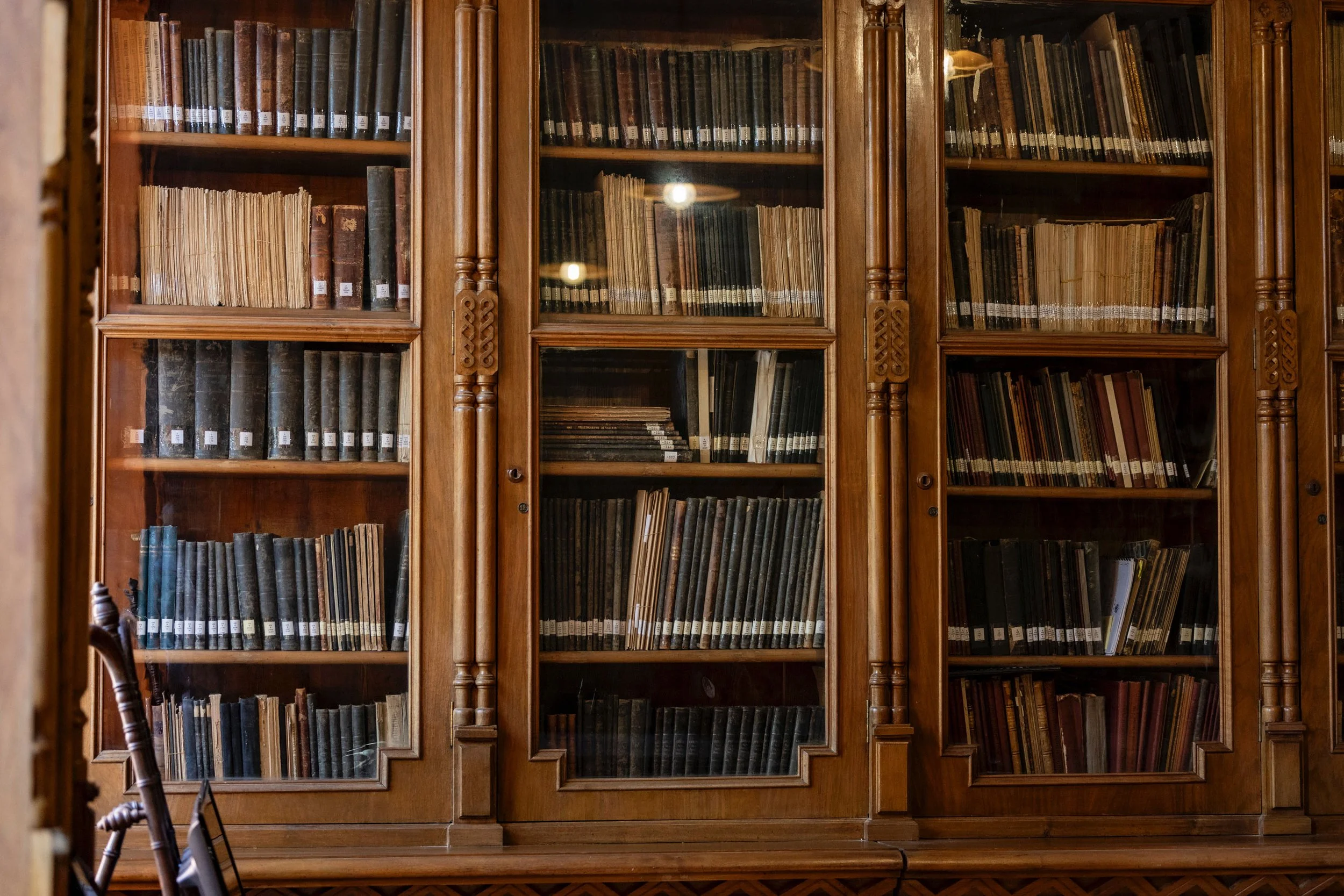
Image courtesy of Mariam Shergelashvili and State Silk Museum.
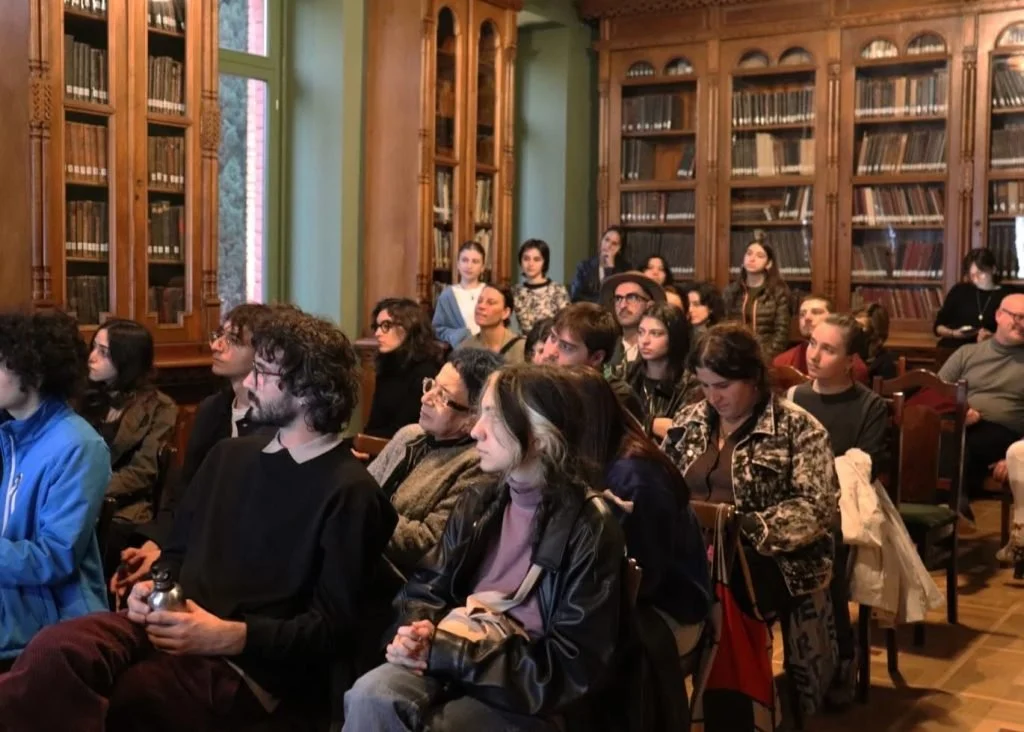
Image courtesy of Mariam Shergelashvili and State Silk Museum.
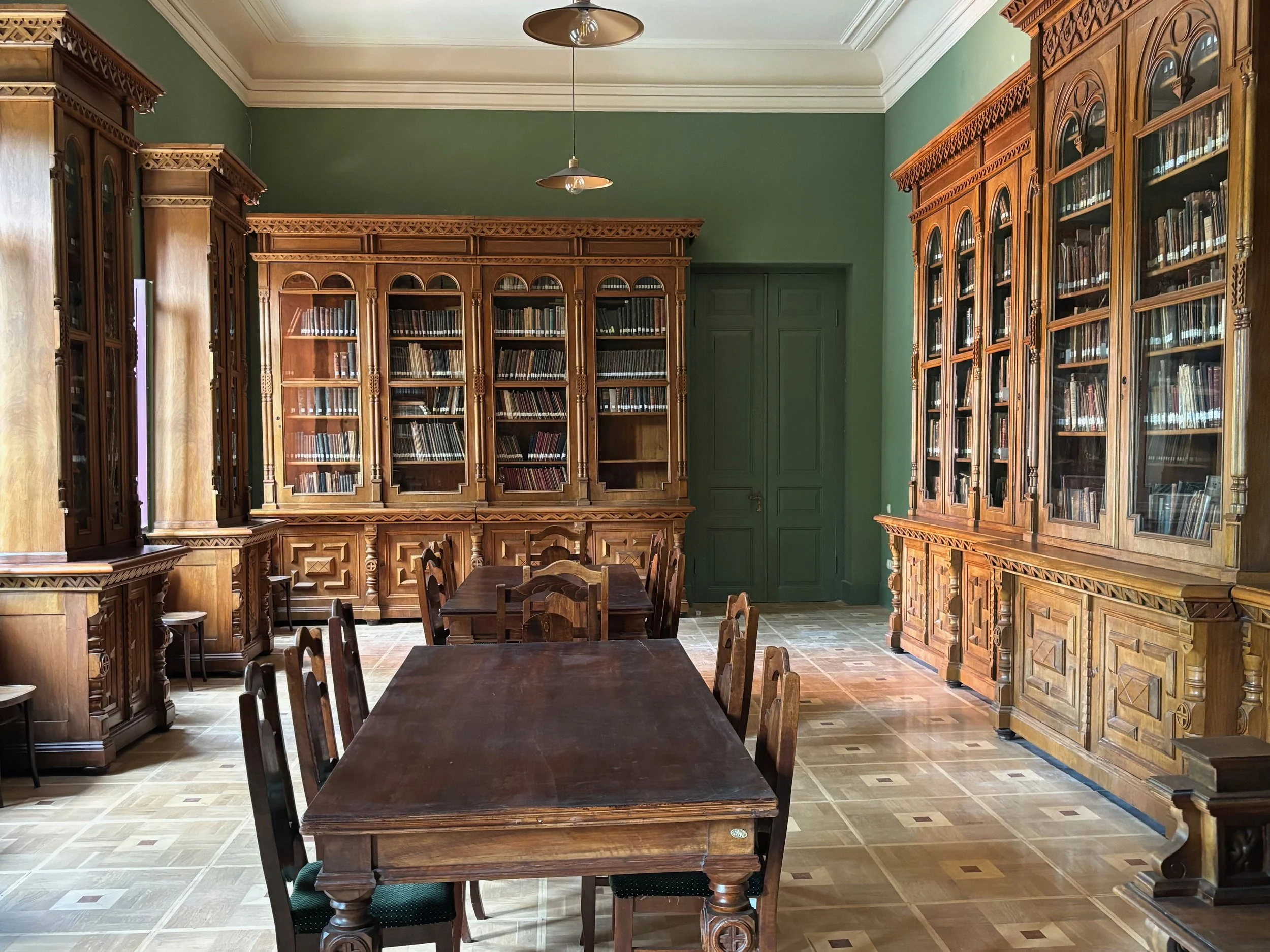
Image courtesy of Mariam Shergelashvili and State Silk Museum.
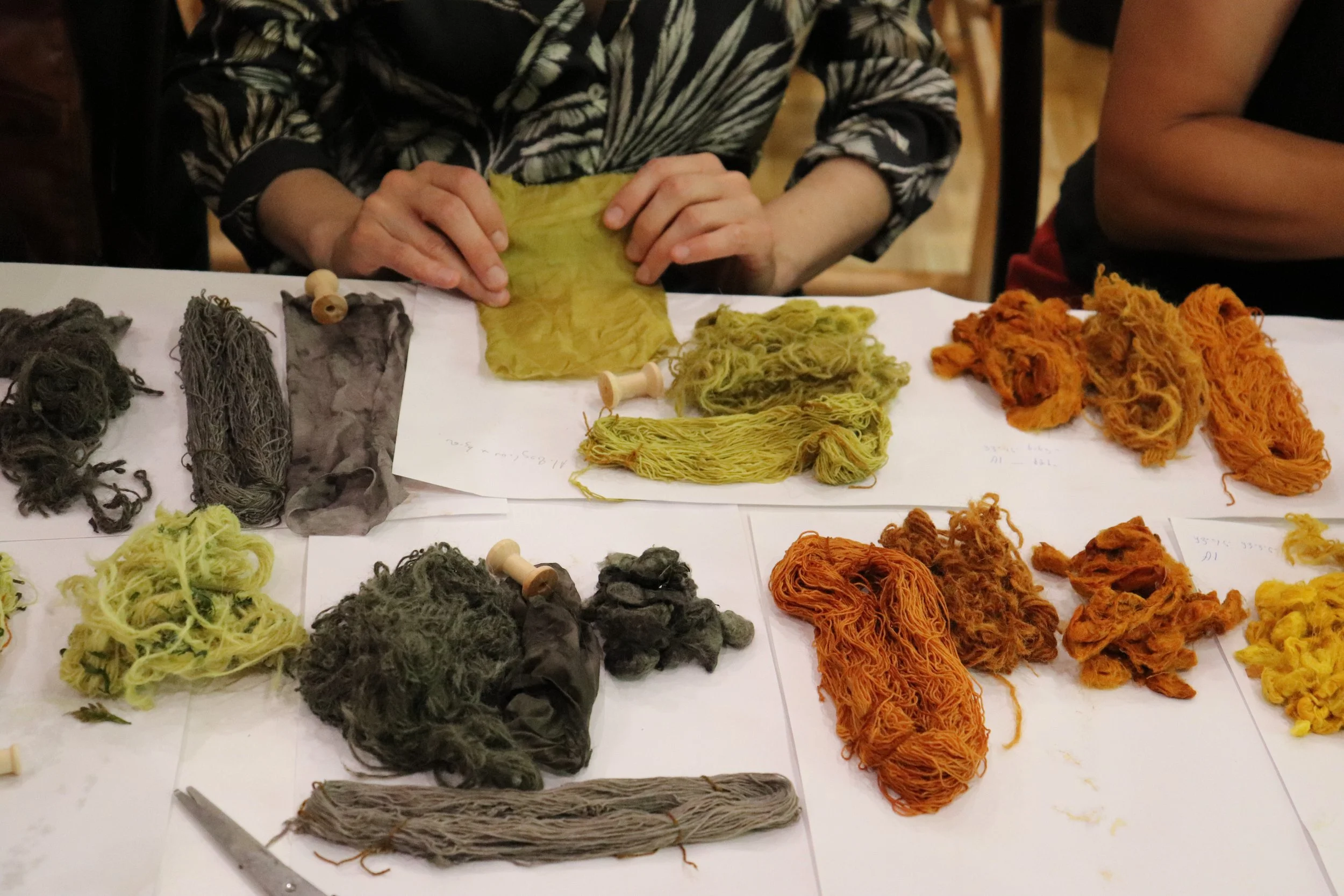
Image courtesy of Mariam Shergelashvili and State Silk Museum.
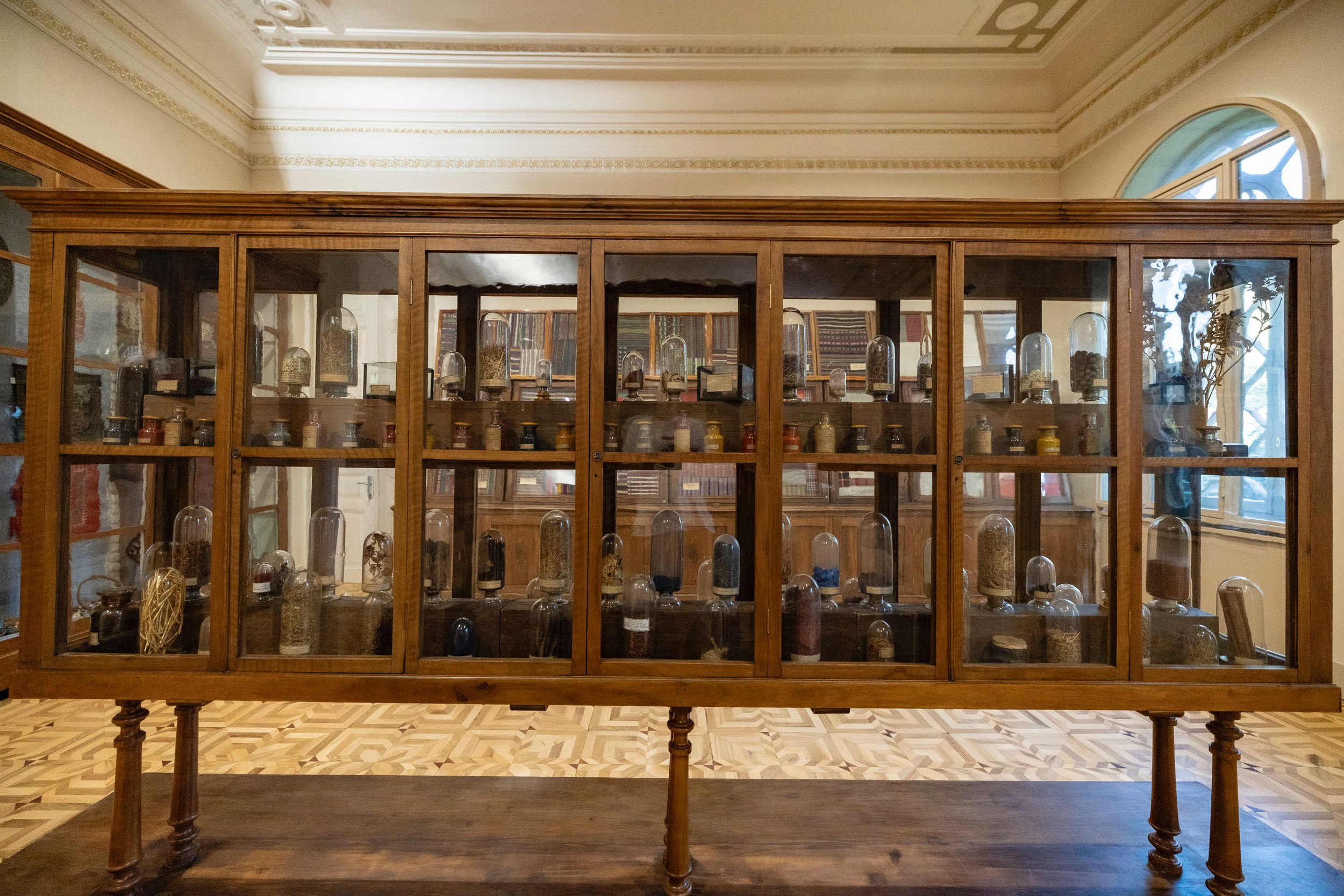
Image courtesy of Mariam Shergelashvili and State Silk Museum.
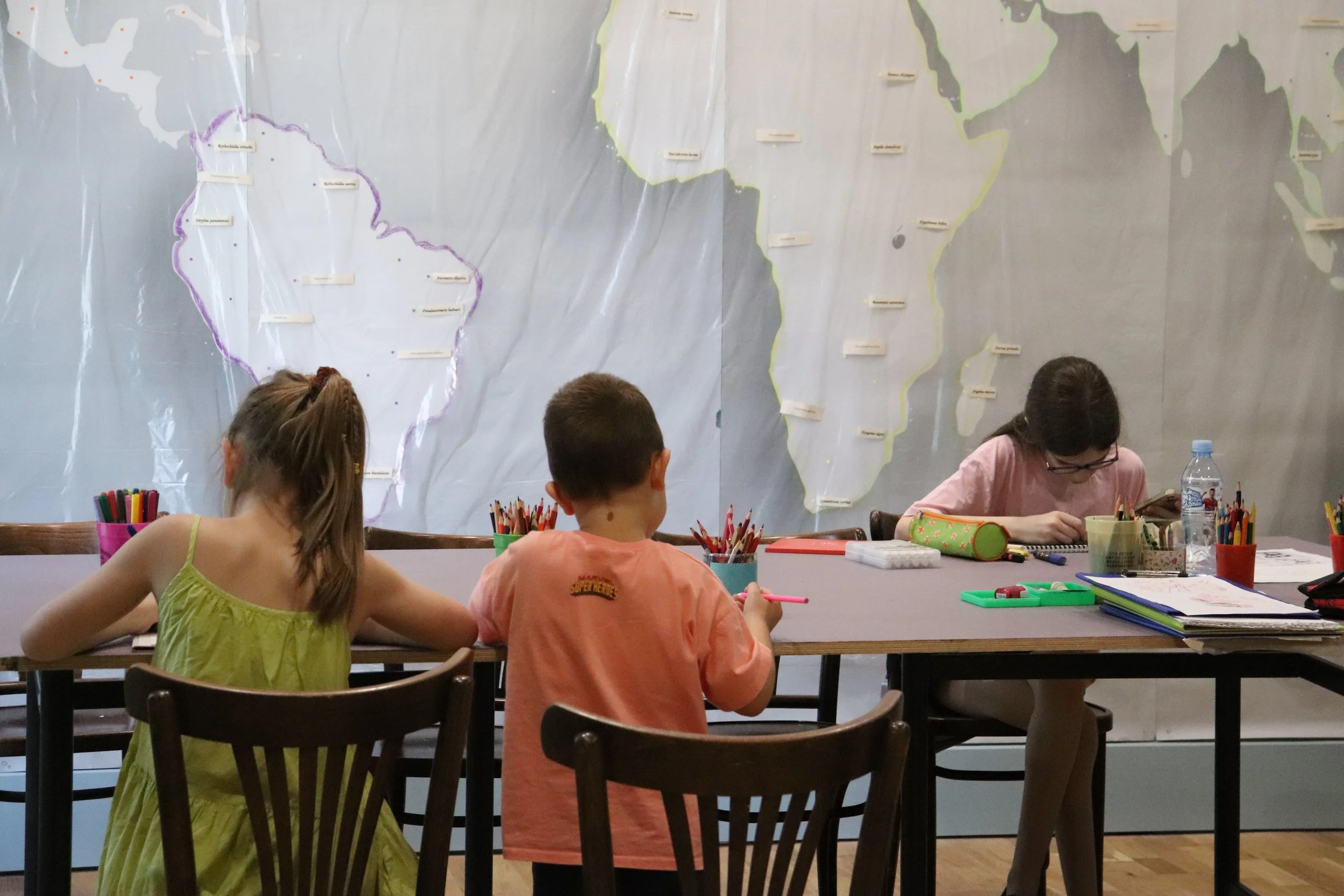
Image courtesy of Mariam Shergelashvili and State Silk Museum.
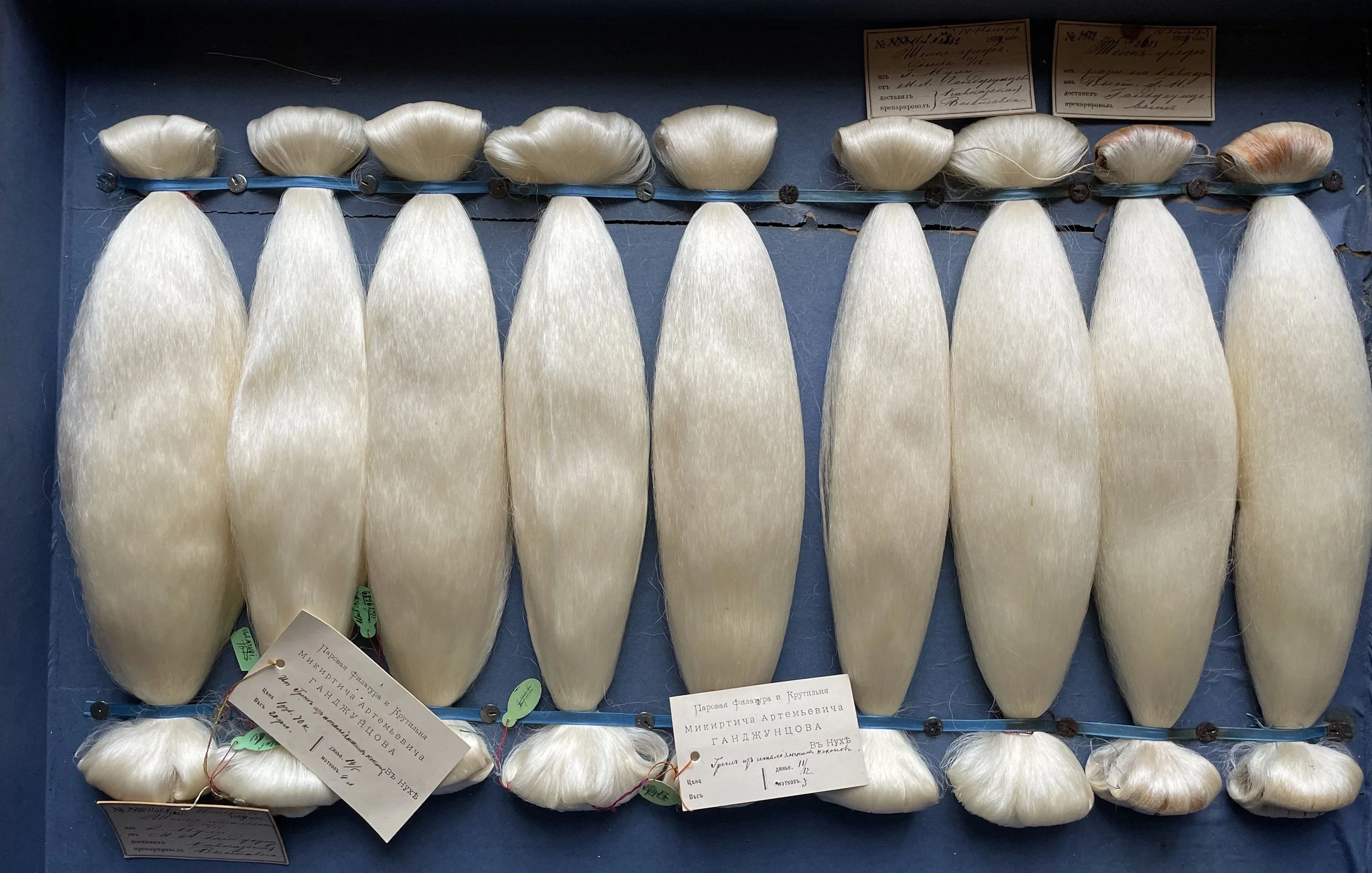
Image courtesy of Mariam Shergelashvili and State Silk Museum.