Hot Coffee with Shuseki Shinan Paul, founder of Kenshikai Karate-Do
Published Wednesday, June 23, 2026
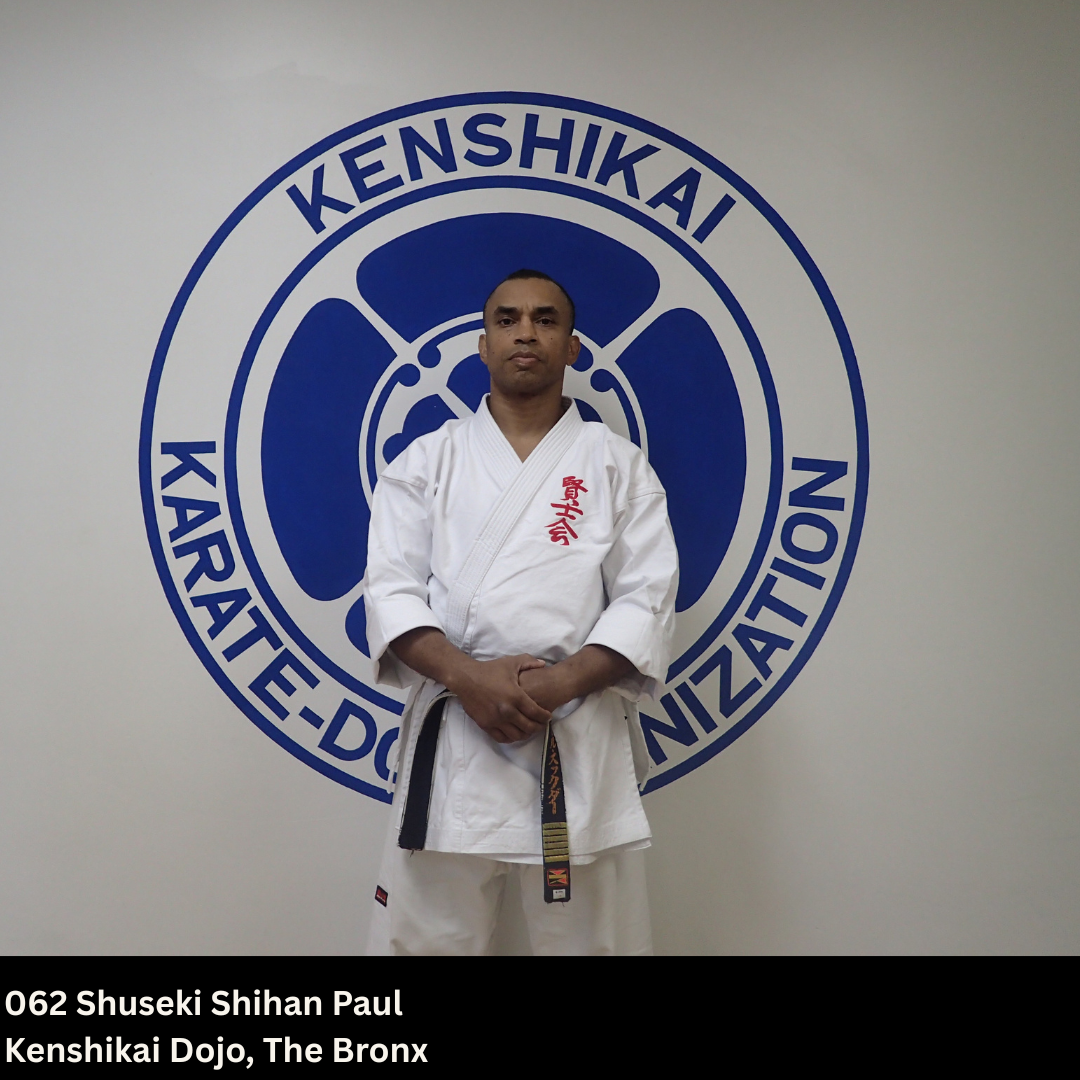
Shuseki Shihan Paul Sookdar is a seventh-degree black belt and the founder of Kenshikai Karate-Do Organization in Riverdale, New York. He has been studying martial arts for 30 years and has been teaching for 20. Under the guidance of Kaicho Nakamura, Sensei Kishi, and Shuseki-Shihan William Oliver, Shuseki-Shihan Paul maintained a rigorous training schedule while simultaneously putting himself through college, earning a B.S. in computer science from Long Island University. In 1992, he opened his Riverdale dojo and continued his own intense training while teaching full-time. Shuseki Shihan Paul is an international fighting champion with a notorious spinning hook kick. One of his greatest achievements was competing in 2005 at the World Tournament in Tokyo, Japan. Shuseki-Shihan Paul was honored with the William Oliver Award for Technical Excellence. Winning the award named after Shuseki-Shinhan William Oliver, his teacher since he was eight years old, will always be one of his most meaningful victories. He has devoted his career to teaching both young and adult students and is deeply committed to helping students of all levels improve themselves and grow physically, mentally, and spiritually through Kenshikai Karate.
Nina Chkareuli: Imagine that you are in your favorite coffee or tea spot. Where is it? What are you drinking? And what are the three things you see right now in that place?
Shuseki Shihan Paul: My favorite coffee and tea spot is in Alaska. It's called Black Bear; it's a quaint place in the middle of Denali National Park. They have different types of coffee from all over the world, and they pair the coffee with food. That was my favorite place. I had a decaffeinated cappuccino and these special omelettes. They were very conscious about me being vegan as well. I remember seeing moose walking around, almost as big as horses, just walking on the streets, crossing the highway. You could open your door and see a moose in front of you.
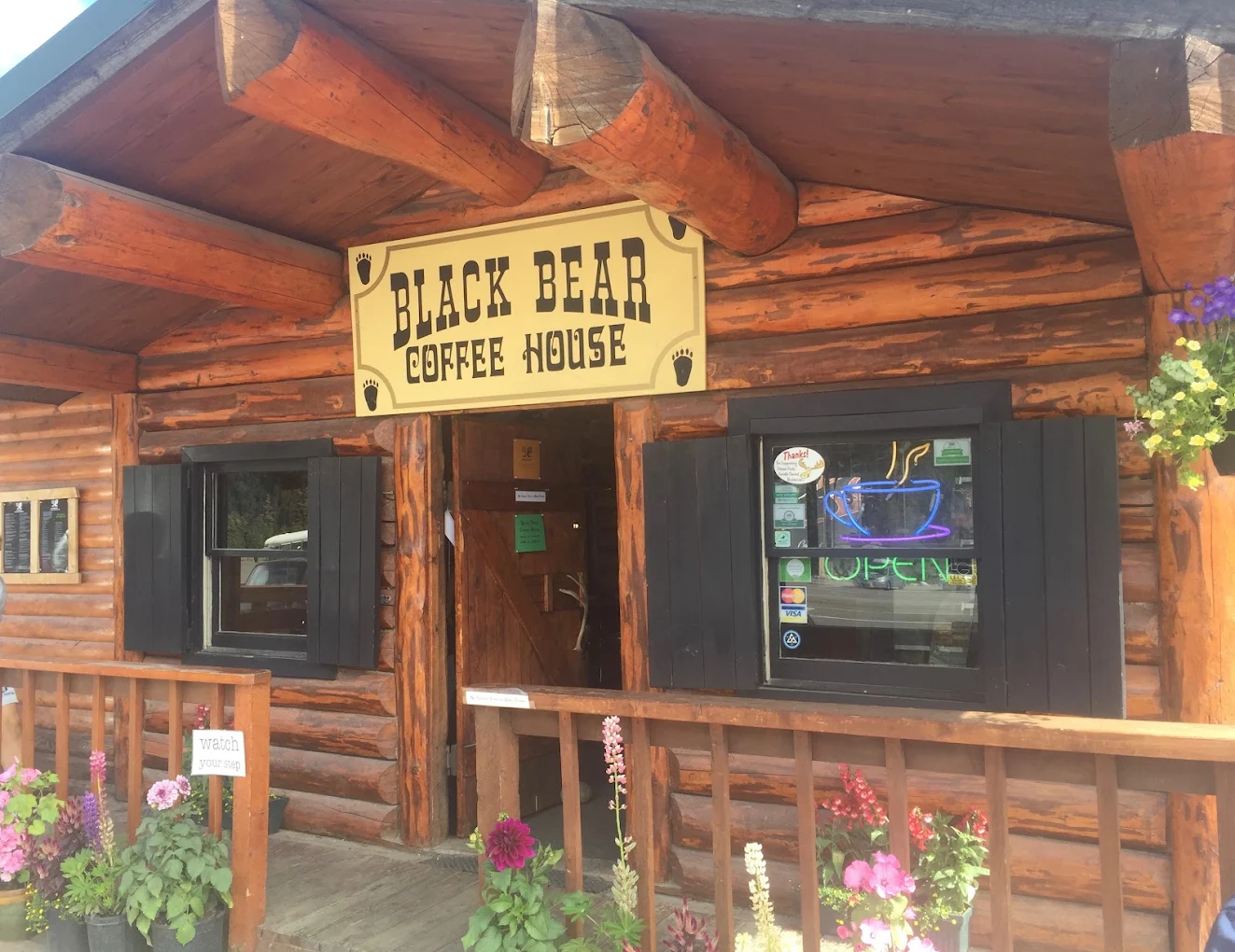
Denali National Park, Alaska.
NC: You were initially reluctant to try karate. What changed after that early fight at school? And how did your Kyokushin training shape you as a kid?
SSP: I think I can’t stress this enough, how much my sister played a role in me starting karate, because I was a shy little kid who didn't want to really know people. My sister was very outgoing, so she said, "Paul, come on, I'll be with you the whole time, I'll hold your hand," and she literally held my hand, brought me into class, and I was stuck to her like glue all the time in karate. Having an older sister in the class helped me a lot, as far as being courageous enough to try. Karate taught me fighting skills, but it also gave me confidence. I didn't really get into a lot of fights after that. There were one or two times that karate really helped me as far as defending myself, but I think what it did was it gave me a community of people that I was able to relate to, and that loved me, and I loved them. Kaicho Nakamura and Shuseki Shihan Oliver were almost like father figures for me.
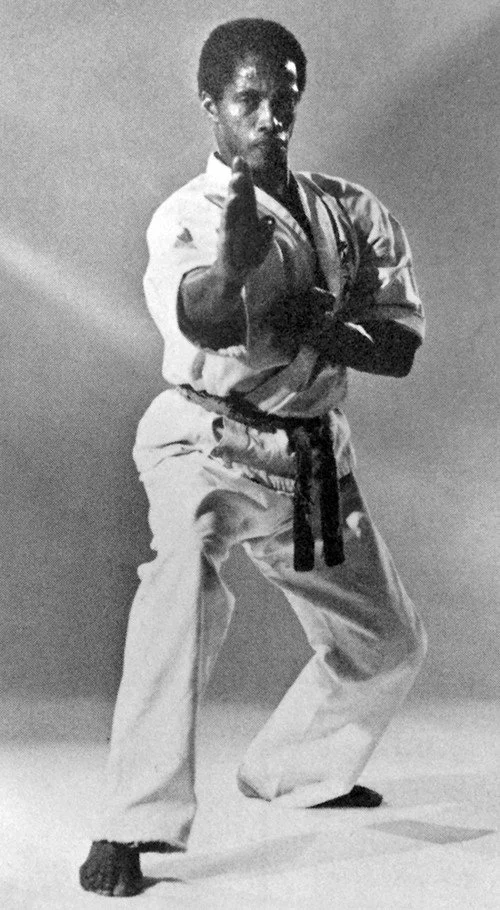
Shuseki Shihan Oliver.
NC: How much of these early experiences influence the way you build up your school now?
SSP: It influences everything. Shuseki Shihan Oliver and Kaicho Nakamura ran their dojos differently, but I felt that I was able to take the best of both of them and apply it. They gave me the format of how to create a school, how to run it as a business, how to treat people, and how to keep people in the school connected. The whole business model is from both of them.
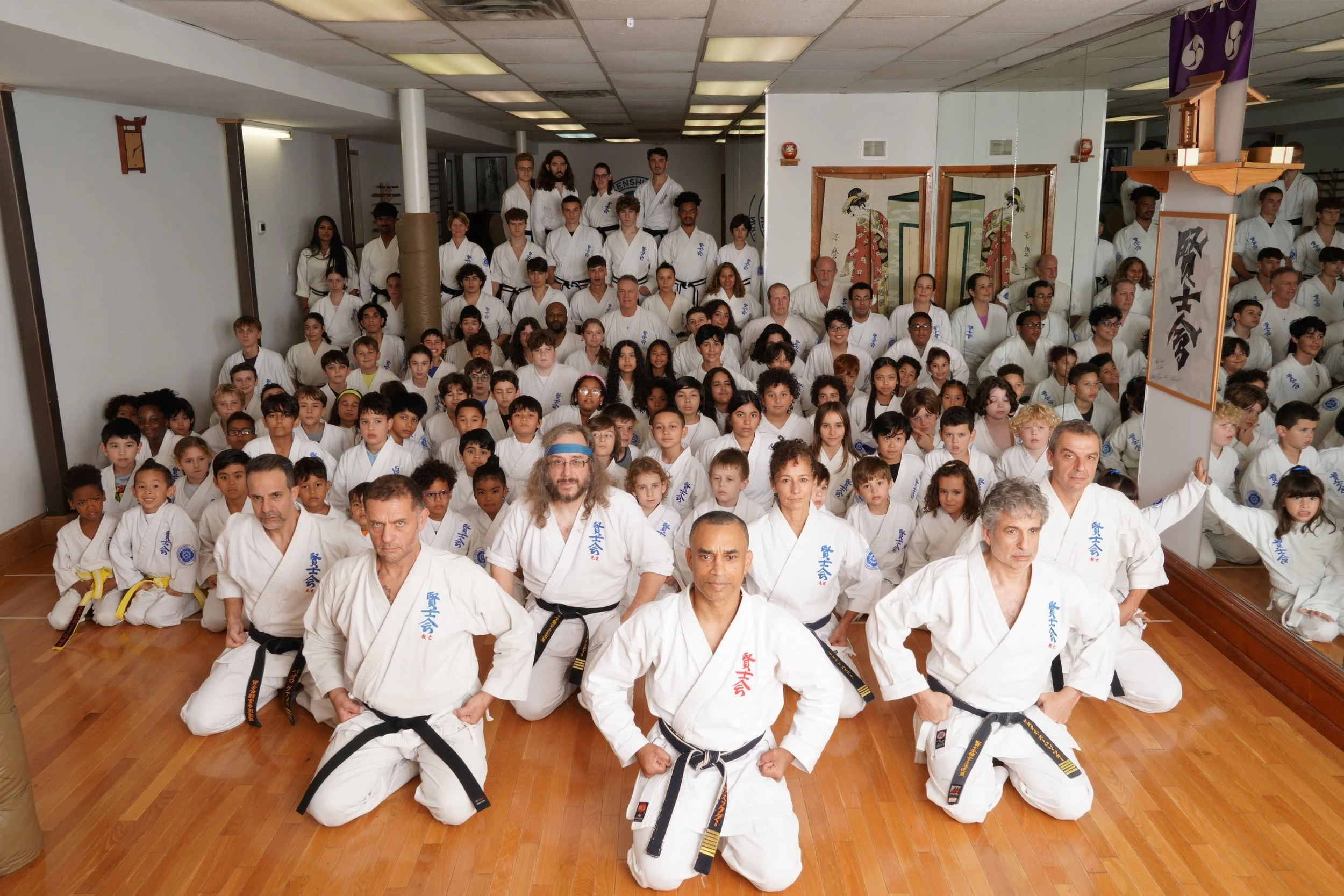
Kenshikai Dojo, The Bronx.
NC: You previously had a challenging career in software engineering. How were you able to balance teaching karate and your other career at the time?
SSP: That was very difficult. I look back on what I did, and I'm like, how could I have done that? I literally worked every single day in my life for 10 years at the New York Stock Exchange. I made a deal with my boss that if I got to work really early, I could leave early. So, I got there maybe six in the morning, worked until three or four, then ran out the door to come back and teach.
NC: There was a good chunk of your career when you professionally fought in karate tournaments. What was this time like for you?
SSP: Shuseki Shihan William Oliver trained me. He took me to a tournament once, an open tournament for people all over the United States, and I did really well in that tournament. I realized how much I loved pushing myself and challenging myself. After that, he brought me to a couple of other tournaments, and I was able to take first place in all of them. It was such an uplifting experience for me. I loved competing, but tournaments are a double-edged sword. I think you can lose sight of what karate really is if you go too much down the rabbit hole. I liked the idea of competing, but it shouldn't be your world. Karate and competing don't go together all the time. If you go back to the roots of karate and ask yourself why you're here, it's to make yourself better. Not to say, "I'm a better fighter than him."
Nina Chkareuli: In addition to the karate school, you also ran an after-school program that ultimately closed. How did this experience reshape the way you run your dojo now?
SSP: It gave me more of an appreciation for my dojo. I didn't realize the level of commitment I needed to put into the after-school program, as well as the karate school. When I quit the exchange, I thought I might need more money, but in hindsight, I did not need more money because the karate school did more than take care of me. The after-school program was pulling me so far away from what I wanted: peace. I realized that I don't want more money, I want more time doing things I love to do. After I closed the after-school program, I was able to put more attention on the karate school.
NC: As someone who works and lives in Riverdale, how do you feel the community has changed over time?
SSP: It has changed very much. In good ways, though. When I started in 1992, we had maybe one or two girls in the whole school, and maybe one woman in the whole dojo. Now we've got 50/50. There was also not one person of color, not one. The demographics have totally changed in Riverdale. One thing I do have to say, though, is that the people have always stayed very supportive. No matter the time, all the Riverdale people have supported the school. That was evident during COVID. I was so grateful for the dojo to be open. The landlords wanted their rent, but we weren't making any money, and a bunch of parents got together and said, "Let's pay a year in advance". It was amazing.
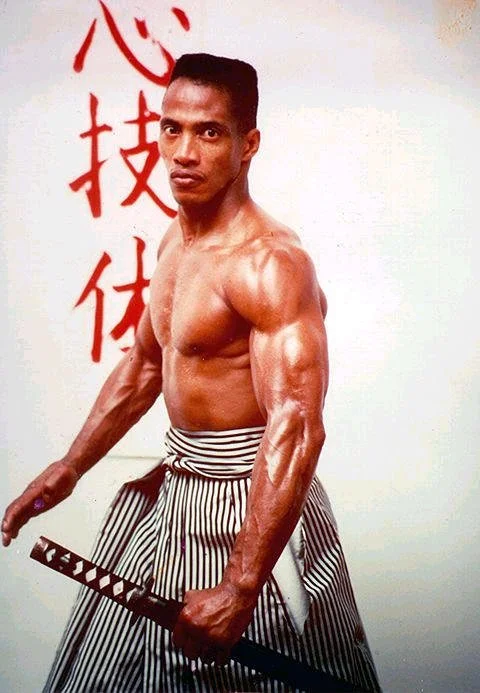
Shuseki Shihan Paul.
NC: How do you feel that kids change as you teach them?
SSP: I think most of the kids' confidence levels change dramatically. I might have known them as a shy little kid, but as they grow up, as teenagers, as adults, they become much more confident. They become much more aware of themselves and comfortable with who they are, and become more aware of the support that they are given.
NC: I've noticed you like to tell parables in your classes. Where are they from, and can you share one for this interview?
SSP: They are from Daruma Daishi, a man who took Zen from India and brought it to East Asia. He created a lot of the Zen lectures that I read and apply to my own life. At the top of our school, when you walk in, it says "nanakorobi yaoki", seven times fall, eight times get up. And that means to be persistent at things when you don't do well. When you're failing, get back up, try it again. Let's say you're trying to do a spinning hook kick, and every time you do it, you fall. Don't be so discouraged. Dust yourself off and try again. Another one is a cow that drinks water and produces milk, a snake that drinks water and produces poison. You could say, "That was a good try. I'm gonna try to make it better", or you could say, "I don't like this, I'm terrible." The way you process things could shape how you live your life. A challenge could be something that uplifts you, or a challenge can be something you shy or run away from.