Reanimating History: Alison Rossiter’s Experimental Photography
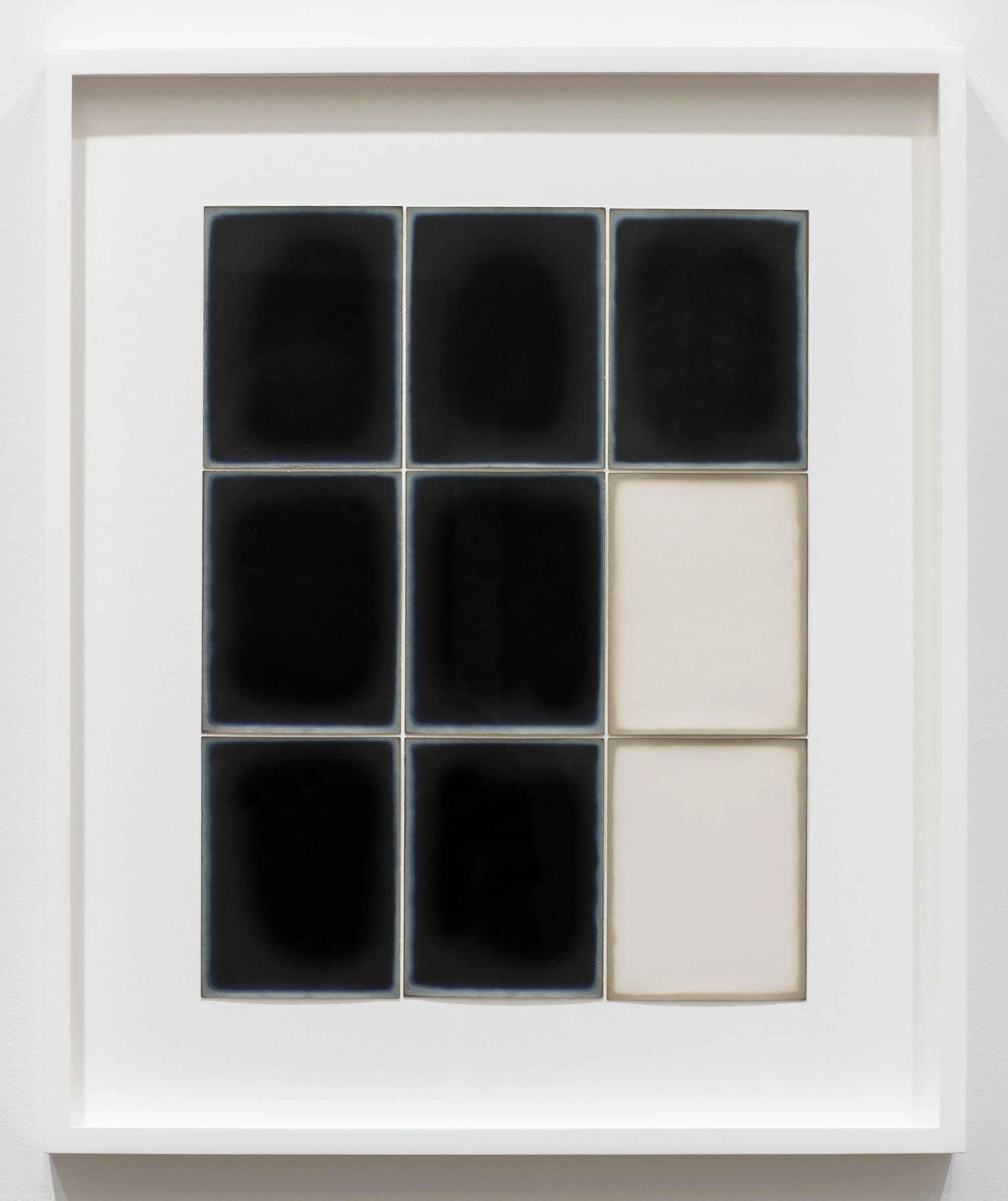
Alison Rossiter, Wellington & Ward, S.C.P., manufactured ca. 1910s, processed 2023, 2025. Nine Gelatin Silver Prints. Framed: 17 3/4” x 14 13/16” (45 x 35 cm)© Alison Rossiter. Courtesy Yossi Milo, New York
Author: Irini Goudas
Published Friday, March 6, 2026
I visited Alison Rossiter: Semblance at Yossi Milo Gallery, her fourth solo exhibition with the gallery, and, with great intrigue, attended the artist’s talk on February 19th. The talk illuminated various aspects of Rossiter’s unique practice of developing antique photographs into abstract works, without the use of a photographic camera. Semblance extends beyond photography, positioning itself within a broader dialogue on materiality, preservation, and transformation. Trained as a photographer at the Rochester Institute of Technology and the Banff Centre School, Rossiter’s work is a bold departure from traditional image-making. Rossiter works with expired gelatin-silver photographic papers, generating compositions through chemical processes by placing her material in standard Kodak developer. The resulting works are not photographs in the conventional sense but explorations of the boundaries of the medium of photography, due to her non-conventional method of avoiding a camera and working exclusively with photographic paper and developer.
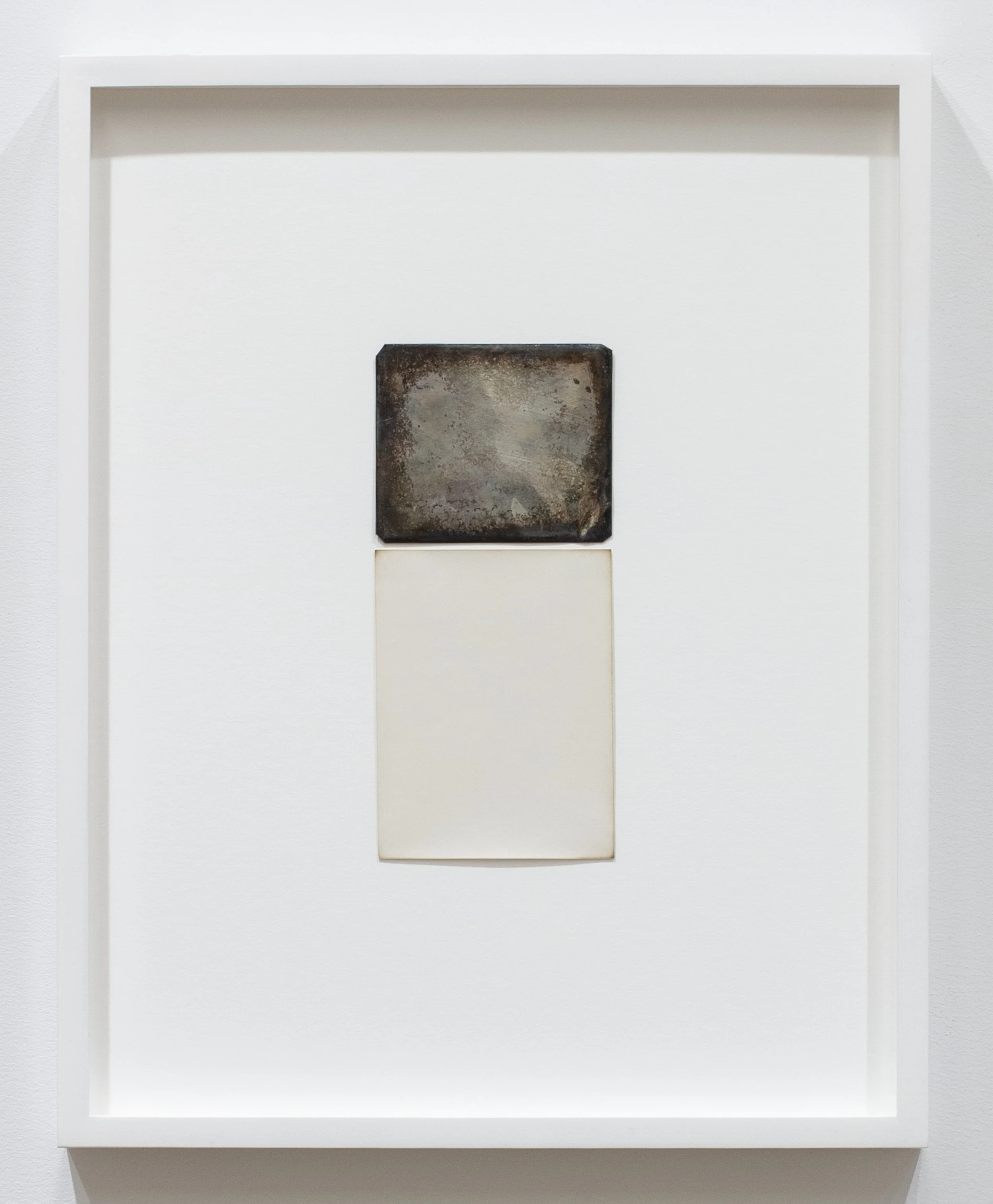
Alison Rossiter, Daguerre, Baekeland, 19th century (6), 2024.Daguerreotype Plate and Gelatin Silver Print. Framed: 14 15/16" x 11 15/16" (38 x 30 cm)© Alison Rossiter. Courtesy Yossi Milo, New York.
Like several photographers who have explored the temporal and archival dimensions of the medium, including Hiroshi Sugimoto and Tacita Dean, Alison Rossiter places time at the center of her practice. The title of each work includes the manufacturer, the paper’s expiration date, and the date it was processed, as, from her perspective, this is the information viewers need to interpret the work. A sheet that expired in the late 1930s prompts viewers to project personal or broader historical narratives onto it. In this way, Rossiter collapses past and present, using obsolete materials to reflect on our relationship to history. This conceptual approach becomes particularly evident in the exhibition itself, which presents a series of works composed of multiple gelatin-silver prints arranged in modular configurations.
Some pieces consist of pairs or trios of prints, while others, such as Semblance, Man Ray Tapestry, assemble up to sixteen individual photographs into grid-like structures. Installed throughout the gallery, these works create a quiet, contemplative atmosphere in which subtle variations in tone, texture, and age invite prolonged viewing. The exhibition’s curatorial structure is less chronological than conceptual, grouping works that explore different moments in photographic history. In the Daguerre, Baekeland series, for instance, Rossiter juxtaposes nineteenth-century daguerreotype plates with later photographic papers, positioning two early photographic technologies in dialogue.
Rossiter preserves the integrity of her source materials, refusing to cut original sheet sizes and, in some cases, hinging each work at four corners so the paper remains responsive to atmosphere and time. The artist deeply respects her materials because of her deep fascination with their unique history. Many of Rossiter’s papers come from the early decades of photographic development, when photographic printing technologies were rapidly evolving. For example, the exhibition includes works using Velox paper, one of the first commercially successful photographic papers designed for artificial light printing, introduced in the late nineteenth century and later acquired by Eastman Kodak. Her embrace of mold, light leaks, stains, and even fingerprints reinforces the artist’s respect for the history of her materials. Rather than rejecting imperfections, she incorporates them, valuing chance as intrinsic to the work.
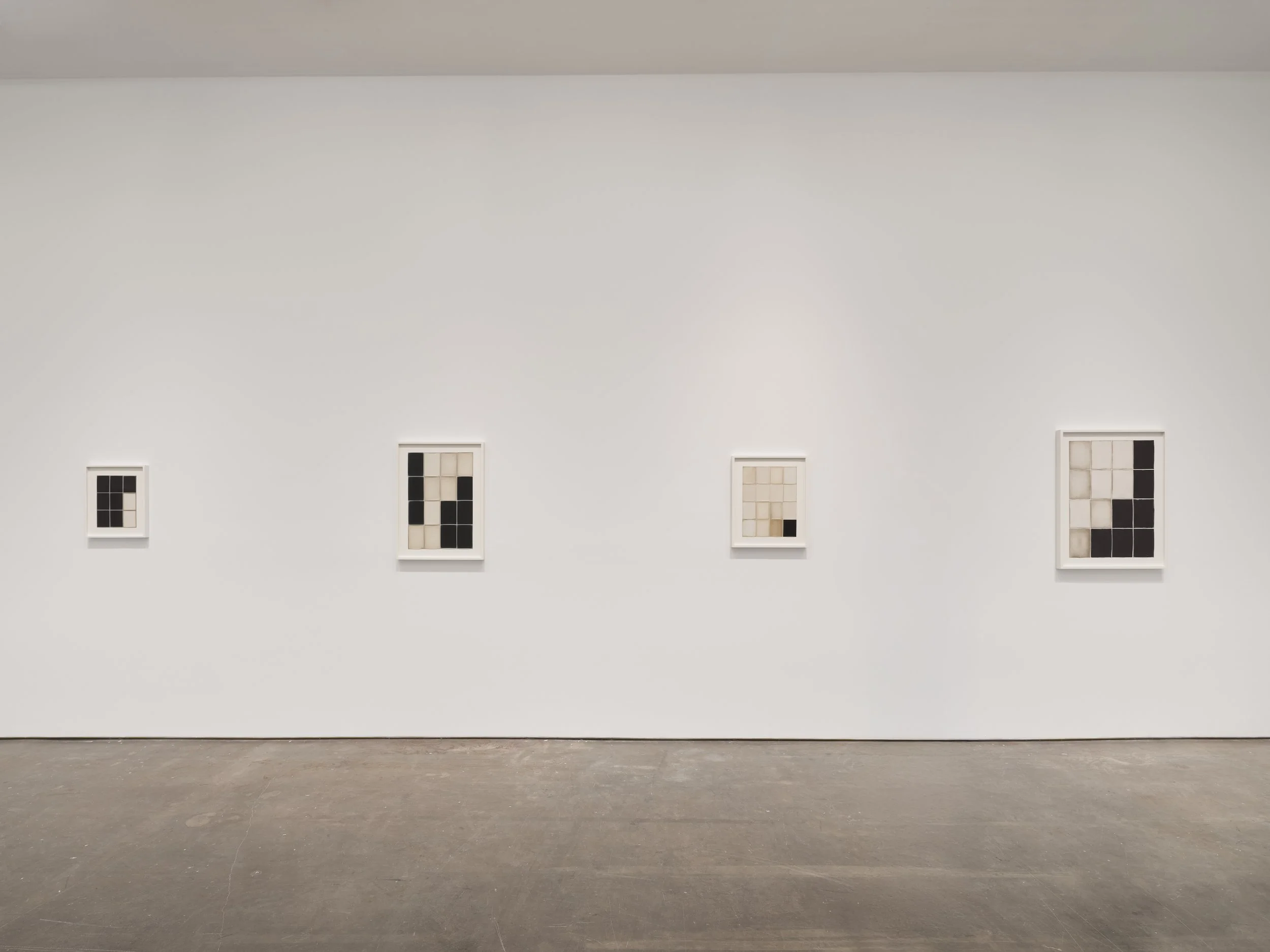
Installation view, Alison Rossiter: Semblance, Yossi Milo, New York, 2026 © Yossi Milo.Courtesy Yossi Milo, New York
During her conversation with the curator, Rossiter emphasized the sculptural dimension of her practice. She considers the treated silver within the paper as a form of metal and encourages viewers to regard the works as three-dimensional objects. One of the central bodies of work in the exhibition, Daguerre, Baekeland, pairs unsuccessful nineteenth-century daguerreotype plates with late-nineteenth-century sheets of Velox paper. These vertical compositions juxtapose two early photographic technologies, positioning them in a dialogue with one another, which urges the viewer to contemplate the history of photography. The surfaces of the daguerreotype plates seem like abstract art, while the adjacent papers, often toned subtly by time, function almost as luminous counterpoints. The works echo the compositional language of mid-century abstraction, as explored by artists such as Mark Rothko, Barnett Newman and Clyfford Still, suggesting continuity between early photographic experimentation and later painterly movements.
The other key series, Semblance, Man Ray Tapestry, draws on Man Ray’s 1911 textile work Tapestry, which used several fabric pieces from the artist’s family business. Using gaslight photographic papers from the 1910s and 1920s, Rossiter constructs assemblages that reference early modernist abstraction while remaining rooted in photographic material. What is interesting about Rossiter’s homage to Man Ray is how they both use pastiche to pay tribute to the raw materials they use. The works become not only meditations on time, but on artistic inheritance and reinvention. In this sense, Rossiter’s subtle embrace of the readymade tests the idea of artistic authorship. Her works are collaborations between the artist and the unpredictable behavior of aging photographic materials during chemical processing. This interplay between intention and accident introduces instability into the creative process, suggesting that artistic identity is negotiated through ongoing dialogue with the materials.
Alison Rossiter: Semblance is on view at Yossi Milo Gallery, New York, through March 21, 2026.
Irini Goudas is graduating from a Master’s program in Art Business at Sotheby’s Institute of Art, where she wrote her thesis on the cultural phenomenon of Japonisme in Paris, with a particular focus on the work of Kitagawa Utamaro and his influence on late nineteenth-century art. Her professional experience spans gallery administration, curatorial practice, and art advisory.
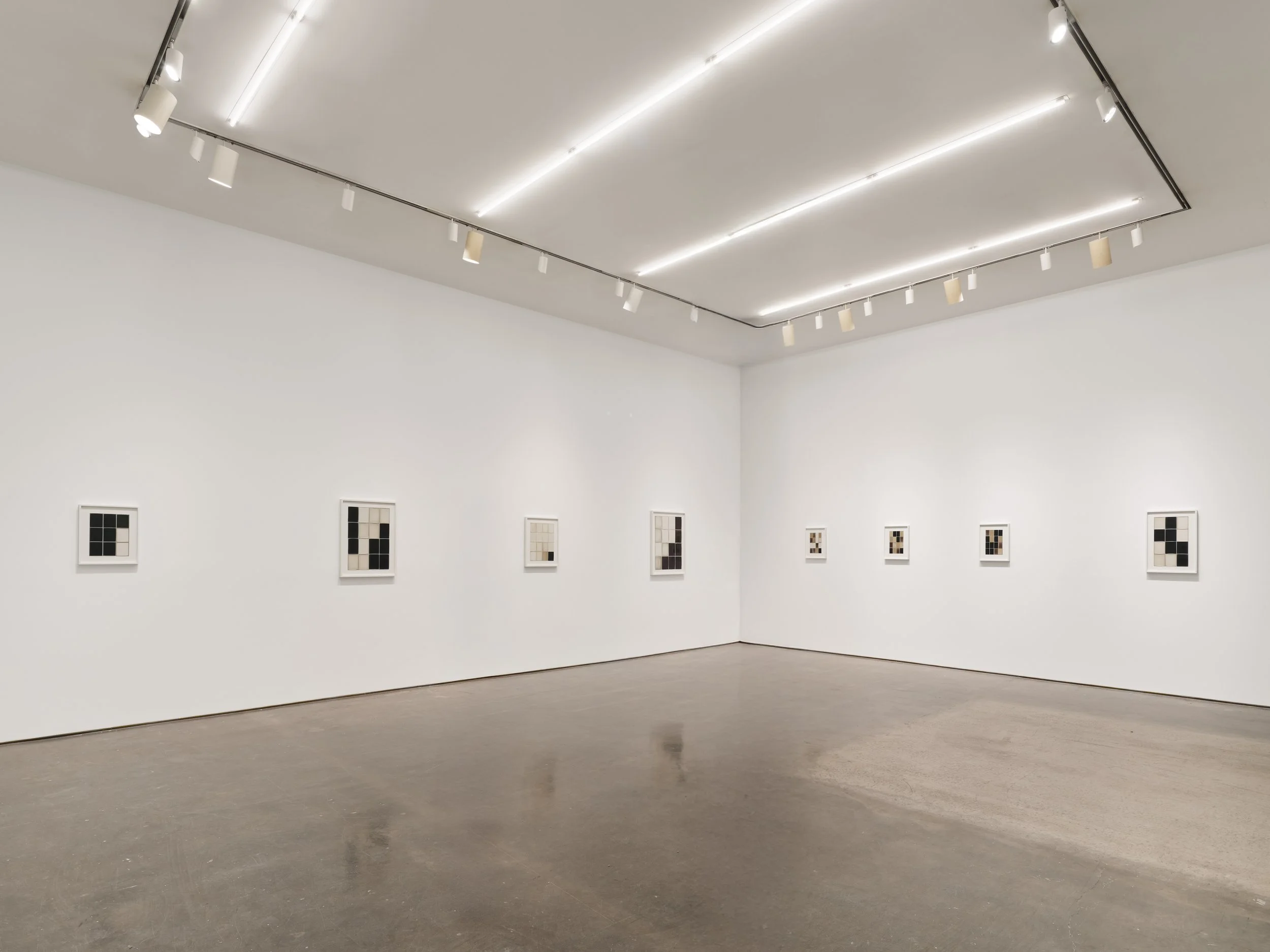
Installation view, Alison Rossiter: Semblance, Yossi Milo, New York, 2026 © Yossi Milo.Courtesy Yossi Milo, New York.